
Introduction
When the cold sets in around Kathmandu, especially in the winter months or up in the hills, one dish shows up on menus and street carts more than almost any other: thukpa. It is a steaming bowl of noodle soup, thick with vegetables, meat, or both, built to warm you up fast and keep you full for hours. Unlike many quick street snacks, thukpa is a full meal in a bowl, and that’s exactly why it has such a loyal following.
This guide covers what thukpa actually is, where it comes from, and why it has become such a fixture of Nepali street food and home cooking alike. Whether you have had it while trekking in the Himalayas or are hearing about it for the first time, this article gives you a clear, useful picture.
What Is Thukpa?
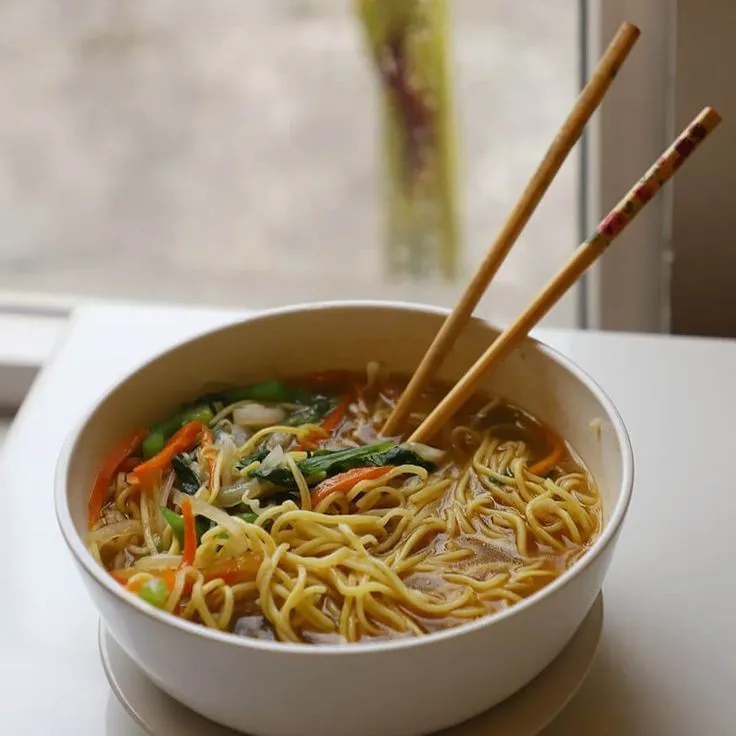
Thukpa is a noodle soup made with wheat noodles simmered in a flavorful broth, typically loaded with vegetables and often meat, egg, or tofu. The broth is usually seasoned with garlic, ginger, and a mix of spices, giving it a warm, savory depth that feels closer to a full meal than a light snack.
It is served hot, almost always in a large bowl, and eaten with a spoon rather than picked up and walked away with like most street food. That single detail sets thukpa apart from lighter Nepali street food staples, since it is meant to be sat down and enjoyed slowly, especially on a cold day.
Where Thukpa Came From
Thukpa has its roots in Tibetan cuisine, where noodle soups have long been a practical way to eat something warm and filling in a cold, high-altitude climate. It traveled into Nepal through Tibetan communities and through the shared food culture of the wider Himalayan region, including areas close to the Tibetan border.
Over time, thukpa became especially associated with Nepal’s mountain regions, including areas along popular trekking routes like the Everest and Annapurna regions, where teahouses serve it to hikers needing a hearty, warming meal. From there, it spread into Kathmandu and other cities, becoming a familiar comfort food far beyond its mountain origins.
Why Thukpa Is a Nepali Street Food Favorite
Thukpa fits into Nepali street food culture a little differently than fried snacks like aloo chop or momo, since it functions more as a meal than a quick bite. Its popularity comes from being filling, warm, and adaptable, since vendors can easily adjust the broth, noodles, and toppings to suit whatever ingredients they have on hand.
It is also a practical choice in Nepal’s cooler climate, particularly in the hills and mountains where temperatures drop sharply, making a hot bowl of soup far more appealing than a cold or fried snack. Street stalls and small eateries across Kathmandu serve it year-round, but demand rises noticeably during the colder months.
What Goes Into Thukpa
The base of thukpa is wheat noodles, either hand-pulled or cut into strips, cooked directly in a seasoned broth rather than boiled separately. The broth usually starts with garlic, ginger, and onion sautéed together, then built up with stock, a touch of soy sauce, and sometimes a mild chili paste for warmth.
Vegetables like cabbage, carrot, and spring onion are common additions, along with a protein of choice, which might be chicken, buffalo meat, egg, or tofu depending on the eatery and the customer’s preference. Fresh coriander and a squeeze of lime are often added just before serving to brighten the finished bowl.
How Thukpa Is Made
Preparation starts with sautéing garlic, ginger, and onion in a pot until fragrant, which forms the aromatic base of the broth. Stock is added next, along with soy sauce and any chosen spices, and the mixture is left to simmer so the flavors have time to develop.
Noodles and chopped vegetables go in toward the end of cooking, along with whatever protein is being used, and everything simmers together until the noodles are tender and the vegetables are cooked through. The soup is ladled into a bowl while still hot and finished with fresh coriander before serving.
Types of Thukpa You’ll Find in Nepal
Nepal has developed a few regional and stylistic variations of thukpa over the years. Thenthuk uses hand-pulled, flat noodle pieces torn directly into the broth, giving it a rustic, chewy texture, while gyathuk uses thinner, more uniform noodles closer to standard noodle soup.
There are also vegetarian and non-vegetarian versions available almost everywhere, along with spicier variations that add extra chili paste or fresh chili on the side for those who want more heat. Some eateries also offer a fried version called thukpa fry, where the noodles are stir-fried rather than served in broth, though this is a departure from the traditional soup style.
Frequently Asked Questions
What is thukpa made of? It is a noodle soup made with wheat noodles, broth, vegetables, and often meat or tofu, seasoned with garlic, ginger, and spices.
Where did thukpa originate? Thukpa comes from Tibetan cuisine and spread through the Himalayan region, becoming especially popular in Nepal’s mountain areas before reaching cities like Kathmandu.
Is thukpa vegetarian? It can be made vegetarian using tofu or extra vegetables in place of meat, and many restaurants offer both vegetarian and non-vegetarian versions.
What’s the difference between thukpa and thenthuk? Thenthuk uses hand-pulled, flat noodle pieces torn into the broth, while standard thukpa typically uses thinner, more uniform noodles.
Is thukpa spicy? It ranges from mild to spicy depending on the eatery, and chili paste is often available on the side so you can adjust the heat yourself.
Why is thukpa popular in Nepal’s mountain regions? Its warm, filling broth makes it a practical and satisfying meal in cold, high-altitude climates, which is why it’s a staple along popular trekking routes.
Can I make thukpa at home? Yes, it only requires basic aromatics, stock, noodles, and vegetables, making it one of the easier Himalayan dishes to recreate in a home kitchen.
Conclusion
Thukpa shows a different side of Nepali street food and comfort cooking, built around warmth and heartiness rather than quick bites and crunch. Its Tibetan roots and strong ties to Nepal’s mountain regions give it a story that goes beyond just being a tasty bowl of soup.
Next time you’re in Kathmandu on a cold day, or planning a trip through Nepal’s hills, seek out a fresh bowl of thukpa and see why it has stayed such a comforting staple across the region for so long.


'/></svg>)