
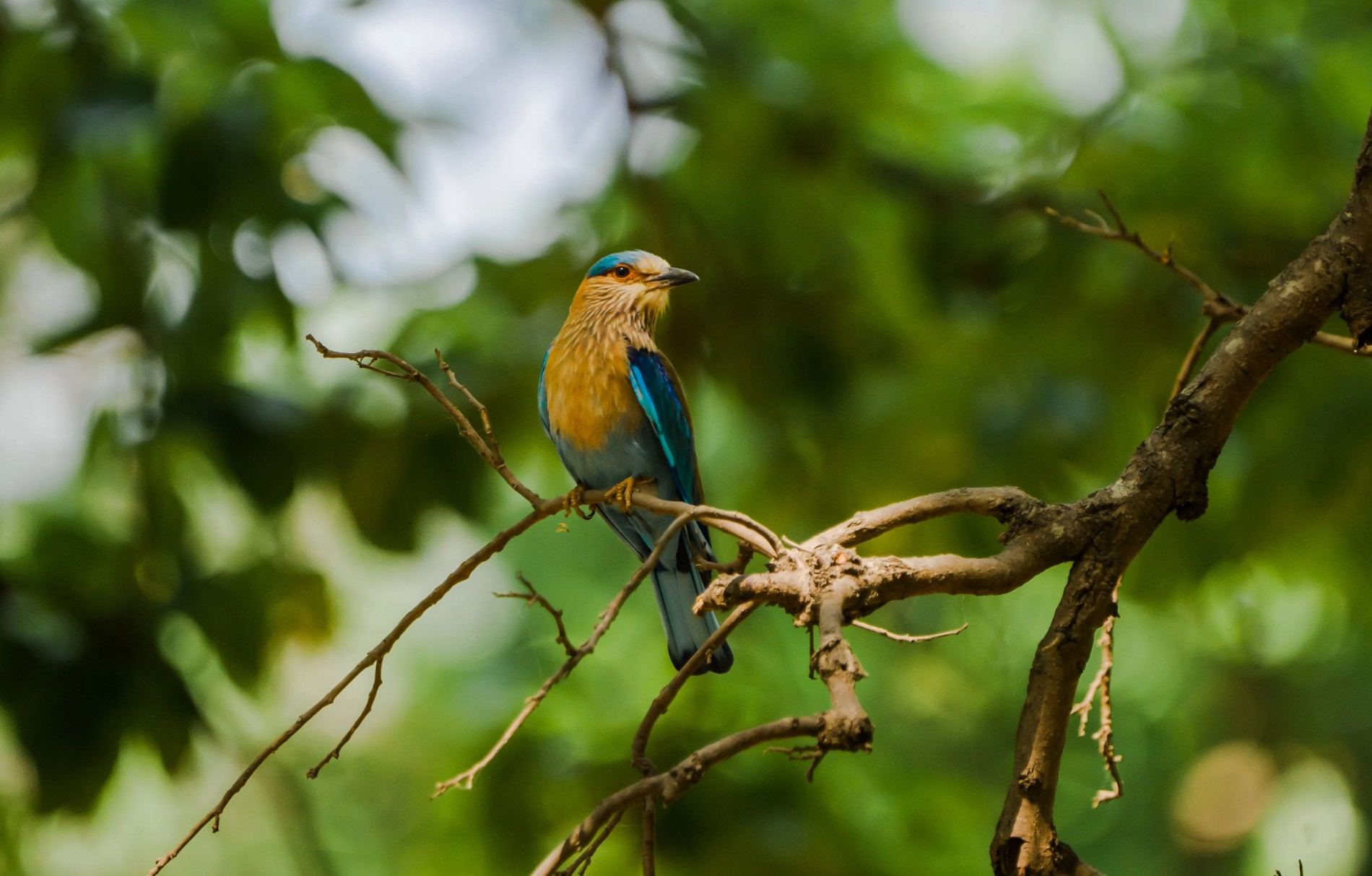
Tucked into Nepal’s eastern Terai along the banks of the Sapta Koshi River, Koshi Tappu Wildlife Reserve holds a reputation among birders that far exceeds its modest size. As Nepal’s first Ramsar-listed wetland and the smallest of the country’s protected reserves, it packs an outsized concentration of species into its floodplains, marshes, and grasslands, drawing dedicated birders from around the world for a chance at species found almost nowhere else in the country.
More than 500 bird species have been recorded within the reserve, including several considered globally threatened, making it arguably the single most important birding site in Nepal. Its position directly beneath the Central Asian Flyway also means the reserve transforms seasonally, hosting a completely different cast of species in winter than it does during the breeding months of summer.
This guide covers what makes Koshi Tappu such a significant birding destination, when to visit, and how to plan a trip to see it at its best.
Table of Contents
1. Why Koshi Tappu Matters for Birders
2. Getting to Koshi Tappu
3. Habitats Within the Reserve
4. Signature and Rare Species to Look For
5. Best Time of Year to Visit
6. A Typical Birding Day
7. Where to Stay
8. What to Pack
9. Conservation Challenges Facing the Reserve
10. Tips for a Successful Visit
11. Conclusion
Why Koshi Tappu Matters for Birders
Koshi Tappu owes its exceptional birdlife to its position at the convergence of several ecological factors: floodplain wetlands fed by the Sapta Koshi River, grasslands maintained by seasonal flooding, and a location directly beneath the Central Asian Flyway migration route linking Siberia and the Tibetan Plateau to South Asia’s wintering grounds. Few reserves anywhere in the region combine this specific mix of habitat and migratory geography in such a compact area.
Designated a Ramsar site of international importance in 1987, Koshi Tappu was Nepal’s first wetland to receive this recognition, formalising what birders and researchers had already understood for decades: this stretch of river is disproportionately significant for global bird conservation.
Getting to Koshi Tappu
The reserve sits roughly 15 kilometres north of Rajbiraj in eastern Nepal, accessible by road from Kathmandu, a journey of 8 to 10 hours, or more commonly by a short domestic flight to Biratnagar followed by a two-hour drive. Most visitors arrange transport through a lodge near the reserve rather than travelling independently, given the reserve’s rural location.
Habitats Within the Reserve
Riverine wetlands: Seasonal marshes and oxbow lakes along the Sapta Koshi, home to the reserve’s waterfowl and wading birds
Grasslands: Extensive floodplain grassland supporting species found in few other parts of Nepal
Sandbars and river islands: Key nesting and roosting sites for terns, plovers, and other river-dependent species
Riverine forest patches: Smaller wooded areas along the reserve’s edges, home to a distinct set of woodland species
Signature and Rare Species to Look For
| Species | Significance |
| Bengal Florican | Critically endangered grassland bird; Koshi Tappu is one of the last reliable sites in Nepal to see it |
| Sarus Crane | The world’s tallest flying bird; regularly seen year-round within the reserve’s wetlands |
| Swamp Francolin | A globally threatened grassland species with a limited range across the Terai |
| Watercock | An elusive marsh bird more reliably seen at Koshi Tappu than most other Nepal reserves |
| Black-necked Stork | A striking wetland resident, uncommon but consistently reported within the reserve |
Best Time of Year to Visit
Winter, from December through February, is peak birding season at Koshi Tappu, when migratory waterfowl and shorebirds from Siberia and Central Asia swell the reserve’s already substantial resident population. The breeding season from March through June offers a different set of highlights, with resident grassland and wetland species most active, though summer’s heat and monsoon flooding from July through September make this the least practical time to visit.
A Typical Birding Day
Most guided visits begin before sunrise with a walk or canoe trip along the reserve’s wetland edges, when bird activity is highest and river mist often adds to the atmosphere. A midday break during the warmest hours is followed by a second session in the late afternoon, with many lodges also offering evening walks focused on nightjars and owls found within the reserve.
Where to Stay
A handful of small lodges operate just outside the reserve boundary, most staffed by experienced local bird guides who know the reserve’s current hotspots and recent sightings. Given the reserve’s remoteness, staying at least two nights is generally recommended to allow for both a dawn and dusk session, since a rushed day trip rarely does justice to the site’s full range of species.
What to Pack
Binoculars and a spotting scope if possible: Essential given the reserve’s open wetland and grassland terrain
A detailed regional field guide: Koshi Tappu’s species list includes many birds not commonly found elsewhere in Nepal
Neutral-coloured, lightweight clothing: Terai temperatures can be warm even in the cooler months
Insect repellent: Wetland habitat brings a higher mosquito presence than Nepal’s hill regions
Conservation Challenges Facing the Reserve
Koshi Tappu faces ongoing pressure from upstream dam and embankment projects that alter the river’s natural flooding patterns, agricultural encroachment along the reserve’s boundaries, and the broader decline in wetland habitat affecting migratory species across the Central Asian Flyway. Community-based conservation programmes and responsible birding tourism have become important tools in offsetting some of this pressure, providing local incentive to protect rather than convert the reserve’s remaining habitat.
Tips for a Successful Visit
Hire a local guide: Koshi Tappu’s guides are highly specialised and know current locations for the reserve’s rarest species
Visit during winter for the widest species diversity: Migratory arrivals significantly boost the reserve’s already strong resident list
Allow at least two full days: A single rushed visit is unlikely to cover the reserve’s range of habitats and species
Combine dawn and dusk sessions: Activity patterns differ meaningfully between the two, particularly for grassland species
Conclusion
For its size, Koshi Tappu punches well above its weight, a compact stretch of Terai wetland and grassland holding one of the most significant bird species lists anywhere in South Asia, from the critically endangered Bengal Florican to wintering flocks arriving from far beyond the Himalaya. It remains, by a clear margin, Nepal’s most important site for serious birders.
For anyone willing to make the journey to Nepal’s eastern lowlands, Koshi Tappu offers a birding experience that few other reserves in the region can match, quiet, remote, and consistently rewarding for those who take the time to look closely.


'/></svg>)