
Introduction
Most visitors come to Pokhara for the lake and the mountain views, but the city has another side worth exploring, one that sits underground. Caving in Pokhara is an unusual but genuinely rewarding way to spend part of a day here, combining natural geology, wildlife, and a bit of hands-on adventure that feels completely different from the boating and hiking most travelers plan for.
Pokhara’s caves exist because of the limestone that runs beneath the valley, and among them, Chamere Gufa, commonly known as Bat Cave, stands out as the city’s most adventurous underground experience. This guide covers what to expect there, how to prepare, and how it fits alongside Pokhara’s other well-known cave, Mahendra Cave.
Why Pokhara Is Famous for Cave Exploration
Pokhara Valley sits on a bed of limestone, a rock that slowly dissolves when exposed to slightly acidic water over long periods of time. This natural process is what carves out cave systems in the first place, and it is why Pokhara, unlike many other Nepali cities, has several notable caves within a short distance of its main tourist areas.
These caves carry more than one kind of value for visitors. Geologically, they show off natural limestone formations shaped over long stretches of time. Culturally, at least one nearby cave holds religious significance. And for travelers looking for something a little different from lakeside sightseeing, caves like Chamere Gufa add a genuine adventure element to a Pokhara itinerary.
Chamere Gufa (Bat Cave)
Chamere Gufa, widely known in English as Bat Cave, sits near Mahendra Cave in the northern part of Pokhara. Like much of the surrounding valley, it is formed from limestone, and it is best known for the large colony of bats that live inside it.
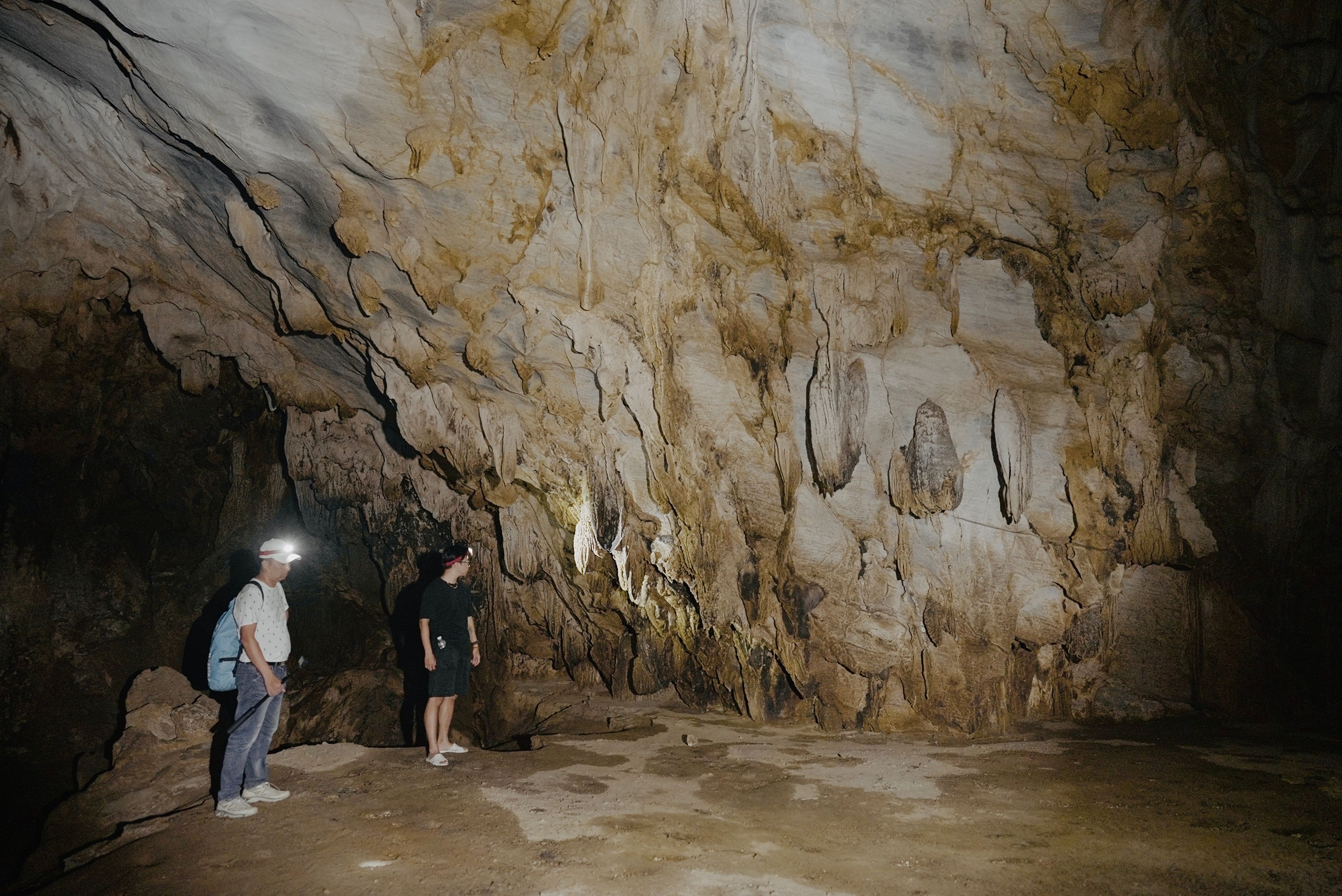
Compared to Pokhara’s other main caves, Chamere Gufa is generally considered the more adventurous option. Its passages are narrower, darker, and less developed than a typical sightseeing cave, which gives it a rougher, more exploratory feel. Visitors should expect uneven ground and sections where the path narrows considerably, and moving carefully through these areas is part of the experience rather than an inconvenience.
What to Expect Inside Chamere Gufa
A visit to Chamere Gufa generally involves a combination of the following:
- Darkness and narrow passages. The cave is not brightly lit throughout, so a personal light source matters for visibility as you move deeper inside.
- Bats and their natural habitat. The cave’s resident bat colony clings to the walls and ceiling in parts of the cave, and observing them in their natural setting is one of the main reasons travelers visit.
- Limestone formations. Natural rock shapes formed by the same slow geological process found throughout the valley appear along the cave walls.
- Crawling, bending, or careful movement. In narrower sections, visitors may need to duck, crouch, or move carefully to continue through the passage.
- The overall underground experience. The combination of low light, cool underground air, and close rock walls gives Chamere Gufa a genuinely immersive feel that is different from a typical open-air sightseeing stop.
Mahendra Cave and Chamere Gufa
Mahendra Cave sits close to Chamere Gufa, and many travelers visit both in the same outing, since they are within easy reach of each other in Pokhara’s northern area.
The two caves offer noticeably different experiences. Mahendra Cave is generally the more accessible, sightseeing-oriented stop, with illuminated passages and visible stalactite and stalagmite formations that make it comfortable for a wider range of visitors, including families. Chamere Gufa, by contrast, leans into a rougher, more adventurous character, with darker passages and closer quarters that appeal more to travelers seeking an active, hands-on cave experience.
Caving Safety Tips
- Wear shoes with good grip, since cave floors can be uneven and slippery
- Carry a torch or headlamp, as lighting inside Chamere Gufa is limited
- Watch for slippery and uneven surfaces throughout the cave
- Do not touch or disturb the bats, for your safety and theirs
- Stay on permitted routes and follow local guidance at the site
- Avoid entering restricted or unsafe sections of the cave
Best Time for Cave Exploration in Pokhara
Drier months generally make for a more comfortable caving experience, since less water inside the cave means fewer slippery surfaces underfoot. Conditions can vary, especially during heavy rainfall, when water entering cave systems in the area has been known to affect access and comfort inside. Because conditions can change with the season and recent weather, it is worth checking current local conditions before visiting, either with a local guide or at the site itself.
Responsible Cave Tourism
- Do not litter or damage limestone formations inside the cave
- Avoid loud disturbance around bats, since noise can stress the colony
- Respect any religious or cultural elements you encounter at Pokhara’s cave sites
- Follow conservation and local tourism guidelines set by site staff and local authorities
Frequently Asked Questions
Is Chamere Gufa suitable for beginners?
Chamere Gufa is more adventurous than a typical sightseeing cave, with narrow, dark passages and uneven ground. Beginners can still visit, but should be comfortable with tight spaces and some physical effort.
What should I wear for caving in Pokhara?
Wear comfortable clothing you don’t mind getting a little dirty, along with sturdy, good-grip footwear suited to uneven and potentially slippery surfaces.
Is Chamere Gufa the same as Bat Cave?
Yes. Chamere Gufa is the Nepali name for the cave widely known in English as Bat Cave, named for its resident bat colony.
Can Chamere Gufa be visited with Mahendra Cave?
Yes. The two caves sit close to each other in Pokhara, and many travelers visit both in the same outing to experience a mix of easy sightseeing and more adventurous caving.
Is cave exploration safe in Pokhara?
Following marked routes, wearing appropriate footwear, carrying a light source, and following local guidance all contribute to a generally manageable caving experience, though care is still needed given the natural, uneven terrain inside these caves.
Conclusion
Chamere Gufa adds something genuinely different to a Pokhara sightseeing itinerary, an underground, hands-on adventure that contrasts sharply with the city’s lake and mountain views above ground. Paired with the more accessible Mahendra Cave nearby, it offers travelers a fuller sense of Pokhara Valley’s natural limestone landscape. As with any visit to Nepal’s caves, exploring responsibly, respecting the bats, the formations, and the local guidance in place, helps keep this small piece of underground heritage intact for the next visitor.


'/></svg>)