
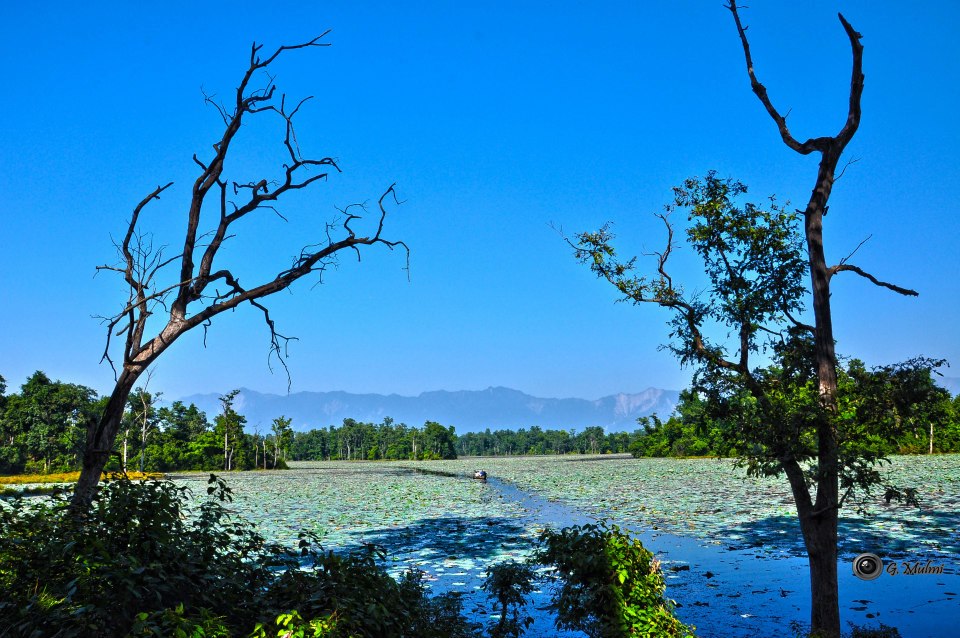
While Nepal’s high-altitude lakes draw trekkers and its Pokhara valley lakes draw tourists by the millions, one of the country’s most ecologically significant wetland systems sits almost entirely off the radar in the far-western Terai. Ghodaghodi is not a single lake but a complex of interconnected oxbow lakes and marshland, home to threatened crocodiles, hundreds of bird species and one of the few places left in lowland Nepal where a genuinely intact wetland ecosystem still functions largely undisturbed.
This profile covers Ghodaghodi’s formation, its Ramsar designation, the wildlife that depends on it, and why it remains one of Nepal’s least-visited protected wetlands despite its ecological importance.
This guide covers the Ghodaghodi Lake Complex’s formation and scale, its Ramsar wetland status, the mugger crocodiles and bird species it supports, and the conservation pressures it currently faces.
Table of Contents
1. A Complex, Not a Single Lake
2. Formed by a Shifting River
3. A Ramsar Site Since 2003
4. A Bird Watcher’s Paradise
5. Home to the Threatened Mugger Crocodile
6. A Wildlife Corridor Between Two Ecosystems
7. A History Layered with Royal and Tharu Heritage
8. Growing Environmental Pressure
9. Common Misunderstandings About Ghodaghodi Lake
10. Conclusion
1. A Complex, Not a Single Lake
Ghodaghodi Tal is more accurately described as a lake complex, a system of roughly 13 to 24 interconnected shallow oxbow lakes and ponds, depending on the survey, spread across approximately 2,500 to 2,563 hectares in Kailali District at just 205 metres elevation. The largest individual lakes within the complex, Ghodaghodi, Nakharodi and Bainshauwa, are surrounded by marshes, swamps, streams and seasonal marshy grasslands set against the lower slopes of the Siwalik Hills.
2. Formed by a Shifting River
Ghodaghodi’s oxbow lakes were formed by the shifting course of the nearby Mohana River over centuries, a natural process in which a meandering river gradually cuts off looping sections of its own channel, leaving them behind as standalone bodies of still water. This origin explains the complex’s distinctive layout, a scattered network of curved, shallow lakes rather than a single large basin.
3. A Ramsar Site Since 2003
Ghodaghodi was designated a Ramsar Wetland of international importance in August 2003, recognition of its role as the largest standing freshwater system in lowland Nepal and a key biodiversity area supporting an estimated 5,000 households in the surrounding region. In March 2022, the site’s importance to birdlife was further recognised when it was declared Nepal’s first official Bird Sanctuary.
4. A Bird Watcher’s Paradise
Surveys of Ghodaghodi have recorded anywhere from roughly 140 to over 360 bird species depending on the study, including the globally vulnerable lesser adjutant stork, migratory visitors like the northern pintail and ferruginous duck, and the cotton pygmy-goose, a key national biodiversity indicator species whose population has served as a long-running conservation benchmark for the site. The complex functions as an important staging post for wetland birds migrating across the wider region.
5. Home to the Threatened Mugger Crocodile
Ghodaghodi supports one of Nepal’s notable populations of the vulnerable mugger crocodile, with recent surveys recording around 26 individuals across the complex’s various lakes, alongside the critically endangered red-crowned roofed turtle and near-threatened Indian python. Researchers have flagged the mugger’s conservation status as historically overlooked compared with more high-profile flagship species, despite the crocodile’s role as an apex predator within the wetland ecosystem.
6. A Wildlife Corridor Between Two Ecosystems
Ghodaghodi’s forests and wetlands serve as a critical wildlife corridor connecting the Terai lowlands to the Siwalik Hills, and separately link Bardia National Park with Shuklaphanta National Park, allowing species including Bengal tiger, smooth-coated otter, swamp deer and even occasional Asian elephants to move between these protected areas rather than becoming isolated within them.
7. A History Layered with Royal and Tharu Heritage
The wetlands around Ghodaghodi carry deep cultural roots as well as ecological ones. Indigenous Tharu communities have depended on the lake complex for fishing, grazing and farming for generations, holding significant cultural and religious value tied to the wetlands, while during the 19th-century Rana era, prime ministers including Jung Bahadur Rana built recreational retreats near the lake, a layer of royal history still visible in nearby structures today.
8. Growing Environmental Pressure
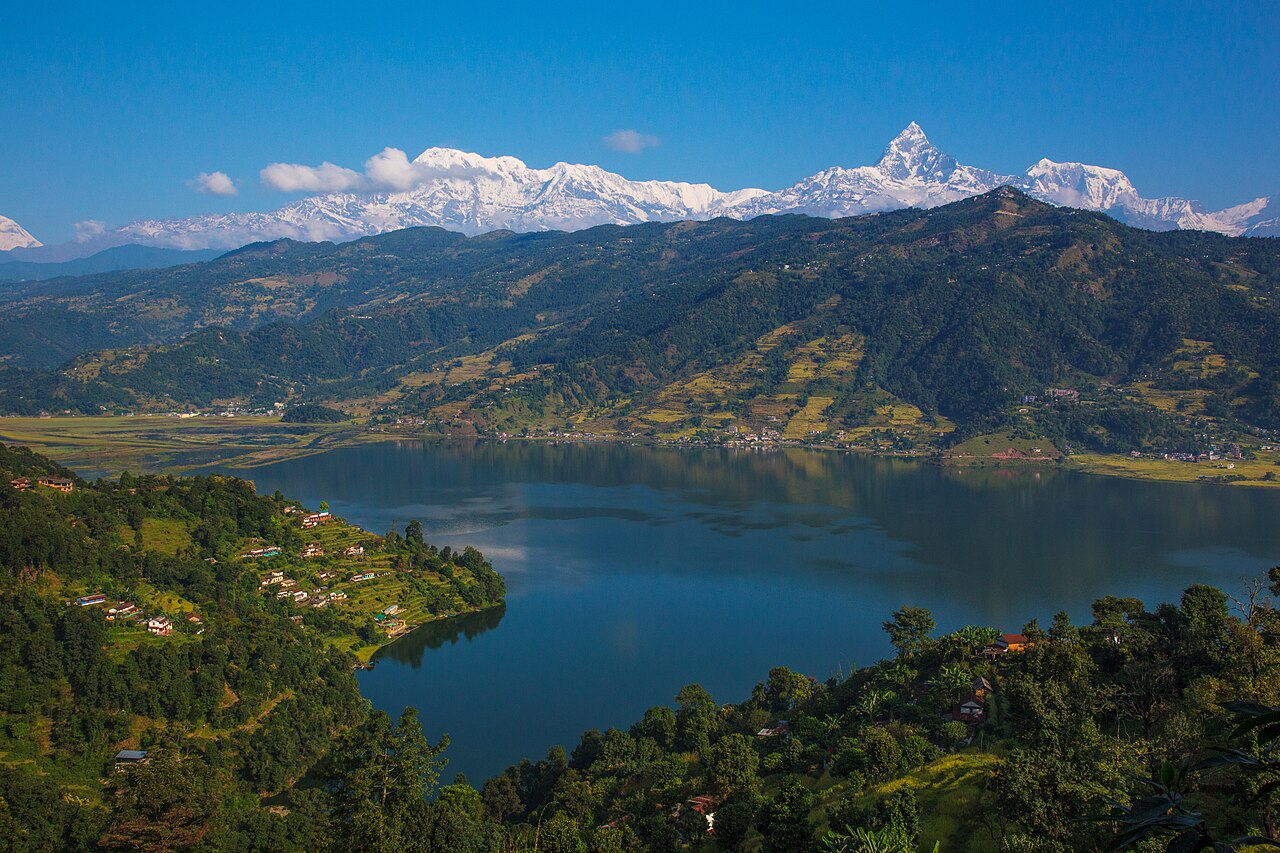
Despite its Ramsar status and biodiversity significance, Ghodaghodi faces mounting pressure from invasive plant species, pollution and land encroachment, threats that ongoing conservation partnerships between government agencies, local Tharu communities and environmental organisations are actively working to address. The lake’s relative obscurity compared with Nepal’s more famous destinations has, so far, spared it the visitor-driven development pressure facing places like Phewa, but it has not spared it from these underlying ecological threats.
9. Common Misunderstandings About Ghodaghodi Lake
Assuming Ghodaghodi is a single lake: it is more accurately a complex of roughly 13 to 24 interconnected oxbow lakes and marshes, formed by the shifting course of the nearby Mohana River rather than existing as one continuous body of water.
Assuming Ghodaghodi’s low visitor numbers reflect low ecological importance: the site holds formal Ramsar wetland status, is Nepal’s first officially designated Bird Sanctuary, and functions as the largest standing freshwater system in the country’s lowlands.
Assuming crocodile conservation in Nepal centres entirely on the gharial: Ghodaghodi’s mugger crocodile population represents a separate, historically under-studied conservation priority, distinct from the gharial populations found in Chitwan’s rivers.
Assuming wetlands like Ghodaghodi exist in isolation from Nepal’s major national parks: the complex functions as an active wildlife corridor linking Bardia and Shuklaphanta National Parks, allowing tigers, elephants and other wide-ranging species to move between them.
10. Conclusion
Ghodaghodi’s obscurity relative to its ecological importance is, in some ways, the defining fact about the site: a Ramsar wetland supporting hundreds of bird species, a threatened crocodile population and a critical wildlife corridor, sitting almost entirely outside the awareness of visitors who have heard of Chitwan, Pokhara or the Everest region.
That obscurity has so far spared Ghodaghodi the development pressures reshaping Nepal’s more famous lakes, but the invasive species, pollution and encroachment threats facing the complex make clear that low visibility is not the same as security, and that the wetland’s future depends on sustained conservation attention rather than simply remaining undiscovered.


'/></svg>)