

Ride a cable car out of the Kathmandu smog, step onto a forested ridge at 2,551 meters, and suddenly the Himalaya are staring back at you from the horizon. That’s the pitch for Chandragiri Hill, one of the valley’s most popular short escapes, and if you’re a climber, it’s natural to look at those ridgeline rock outcrops from the cable car window and wonder: is there bouldering up there?
This guide answers that question as honestly as possible. Chandragiri is a well-documented hiking, sightseeing, and cable-car destination with real hillside rock and forest terrain, but it is not a documented, established bouldering destination the way Nagarjun, Hattiban, or Kakani are. Rather than inventing problems, grades, or route names that don’t exist in any verifiable source, this article treats Chandragiri as what it currently is: a scenic, accessible hill with climbing potential that any visiting boulderer should personally scout and verify before treating it as a real objective, alongside practical, evidence-based advice on gear, safety, and how a Kathmandu climbing day trip generally works.
If you want guaranteed rock, this piece will also point you toward Kathmandu Valley’s known outdoor climbing areas. If you want to explore Chandragiri’s ridge with a boulderer’s eye, cautiously, respectfully, and with zero assumptions, read on.
Where Chandragiri Is and How to Get There
Chandragiri Hill sits on the southwestern rim of the Kathmandu Valley, roughly 16 kilometers from central Kathmandu and about 7 kilometers from Thankot. Its summit reaches 2,551 meters, making it one of the four hills that ring the valley, alongside Shivapuri, Nagarjun, and Phulchowki.
Getting to the base:
- Private car or taxi from Thamel or central Kathmandu, roughly 30–45 minutes depending on traffic.
- Local bus or shared transport toward Thankot, followed by a short local transfer to the cable car station.
- On foot, via a multi-hour hiking trail through forest, for travelers who want to skip the cable car entirely.
Getting to the top:
- The Chandragiri Cable Car covers roughly 2.5 kilometers and takes around 10–14 minutes, depending on wind conditions.
- Hikers can also walk up through forested trails, a route that typically takes several hours.
Because cable car schedules, ticket prices, and operating hours can change, always check the official Chandragiri Hills / cable car information or a current local tour operator before you plan your day around a specific departure time.
Is There Really Bouldering on Chandragiri Ridge?
Here’s the honest answer: there is no widely documented, established bouldering area on Chandragiri Ridge in the way that exists at other Kathmandu Valley climbing sites. Chandragiri is primarily known, and marketed, as a hiking, cable-car, and viewpoint destination, home to the Bhaleshwor Mahadev temple and family-friendly attractions like zip-lining and sky cycling.
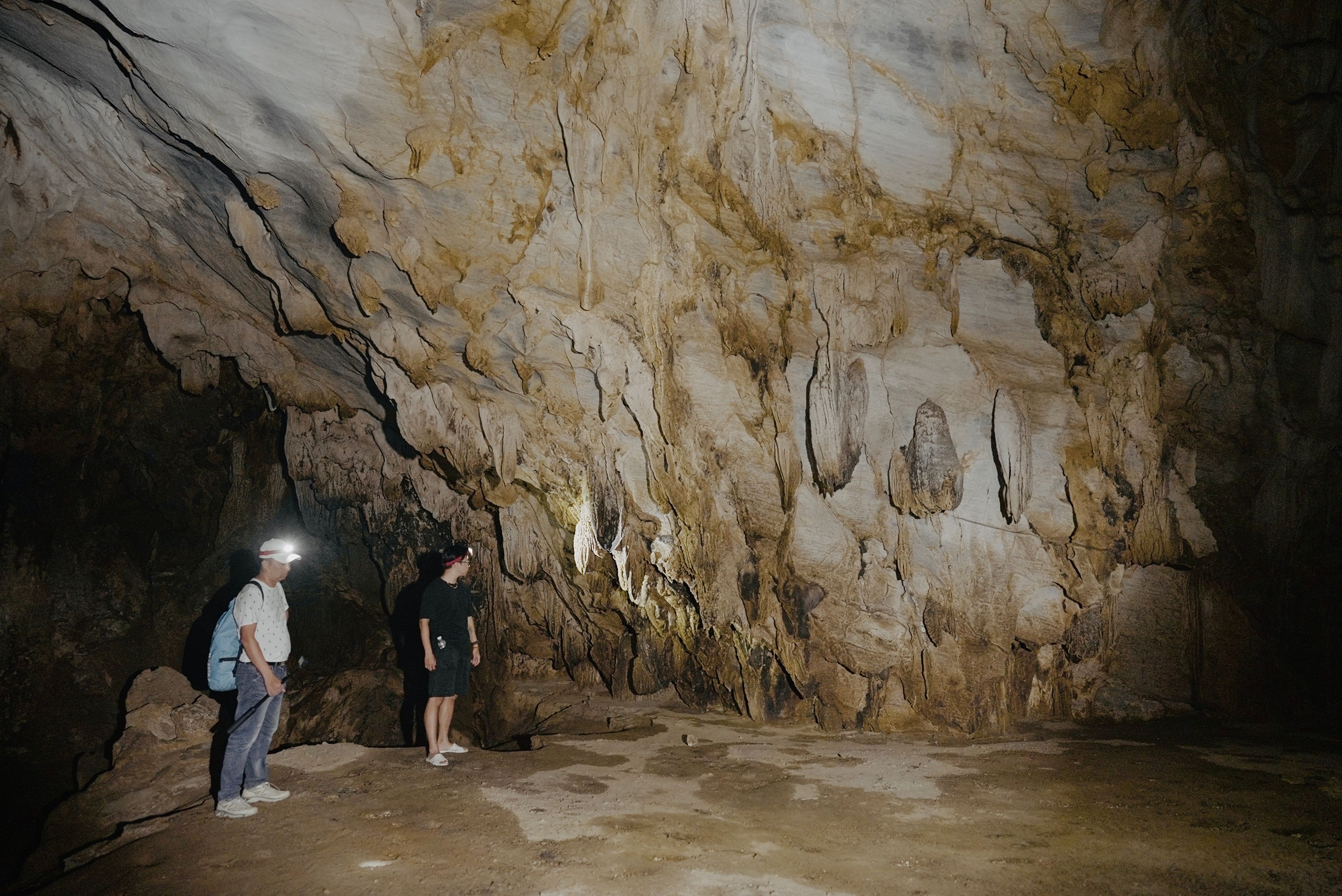
That doesn’t mean the ridge has no rock. Forested hills of this elevation and geology around the Kathmandu Valley commonly feature exposed boulders, outcrops, and rocky sections along ridgelines and trail edges. What’s missing is verification: no reliable source currently confirms developed problems, established grades, marked approaches, or a local climbing community actively bouldering at Chandragiri specifically.
What this means practically:
- Treat any bouldering at Chandragiri as exploratory and unconfirmed, not a guaranteed climbing destination.
- Do not expect chalked holds, brushed problems, crash-pad-friendly landings, or any of the infrastructure you’d find at a developed area.
- If you go looking, you are scouting, not following a known route.
- For climbers who want a guaranteed outdoor rock day near Kathmandu, established alternatives include Nagarjun (inside Shivapuri Nagarjun National Park, roughly 3 km from Thamel, with dozens of bolted sport routes and boulder problems), Hattiban near Pharping, and Kakani, all of which are documented outdoor climbing sites with known routes and grades.
If your goal is specifically “bouldering near Kathmandu,” it’s worth pairing a Chandragiri sightseeing trip with a separate visit to one of these confirmed areas, or with a session at an indoor bouldering gym in the city, several of which exist in Kathmandu and offer graded, safety-inspected walls.
How the Cable Car Changes the Equation
Even without a confirmed bouldering scene, the Chandragiri Cable Car is genuinely notable for one reason: it removes the multi-hour uphill slog that normally gates access to high-elevation terrain around the valley.
- A ride that takes roughly 10 minutes replaces what would otherwise be a 5–6 hour forest hike on foot.
- This makes the ridge realistically reachable for a half-day outing, even for visitors with limited time in Kathmandu.
- It also means you could, in theory, carry light gear (a small pad, shoes, a brush) up to the ridge without committing to a full-day approach hike, useful if you find climbable rock worth exploring.
Important caveat: cable car access getting you to elevation does not mean a developed climbing area exists at the top. Access and climbing infrastructure are two separate things. Treat the cable car as a way to reach the ridge efficiently for hiking, viewpoints, and exploratory scouting, not as confirmation that bouldering problems are waiting for you.
The Landscape and Rock Environment
What Chandragiri unquestionably offers is a striking outdoor setting:
- Dense pine and rhododendron forest covering much of the hillside.
- Ridge-top viewpoints with reported sightlines to Himalayan peaks including Everest, Annapurna, Langtang, and Ganesh Himal on clear days.
- Rocky, uneven terrain in sections of the hiking trails and near the ridge, consistent with many mid-elevation hills around the Kathmandu Valley.
- A noticeably cooler microclimate than the valley floor, given the elevation gain.
For photographers, hikers, and anyone wanting a nature break from the city, this landscape is worth the trip on its own merits, climbing potential aside.
Grades, Routes, and Bouldering Areas: What’s Verified vs. Unknown
To be direct and avoid misleading readers:
| Detail | Status at Chandragiri |
| Named bouldering areas | Not documented in available sources |
| Established problems/routes | Not documented |
| Climbing grades | Not documented, do not assume a grade system is in place |
| Bolted anchors or fixed protection | Not documented; assume none exist |
| Local climbing community/guides | Not documented specifically for Chandragiri |
| Crash pad-friendly landings | Unverified, check ground conditions yourself |
Compare this with Kathmandu Valley’s confirmed outdoor climbing areas, where routes, approximate grade ranges, and route counts are documented by climbing operators and guides (for example, Nagarjun’s routes are commonly cited in the mid-5 to upper-6 French grade range across roughly a dozen-plus lines, and Hattiban is described as a more technical, limestone-cliff destination for experienced climbers). If accurate, current grade and route information matters to your trip, get it from a local climbing gym, guide service, or the Nepal Mountaineering Association rather than assuming Chandragiri mirrors these areas.
Beginner vs. Experienced Climber Suitability
Because Chandragiri isn’t a developed climbing area, “beginner-friendly” and “expert-friendly” labels don’t really apply the way they would at a graded crag. Instead, think about who is suited to exploratory scouting versus who should stick to known areas.
Better suited to scouting unverified terrain like Chandragiri:
- Experienced boulderers comfortable assessing rock quality, landing zones, and fall lines themselves.
- Climbers used to reading unfamiliar terrain without guidebooks or beta.
- Groups with someone trained in outdoor risk assessment or wilderness first aid.
Better suited to skipping Chandragiri as a climbing objective (for now):
- First-time or beginner climbers who need graded, predictable problems.
- Anyone without a climbing partner, spotter, or experienced companion.
- Travelers who want a guaranteed climbing session within a limited Kathmandu itinerary, an indoor gym or a confirmed outdoor area is the safer bet.
Essential Bouldering Equipment
Whether you’re scouting Chandragiri or heading to a confirmed area, standard bouldering gear applies:
- Climbing shoes, snug-fitting shoes designed for friction and precision on small holds.
- Crash pad(s), at minimum one, ideally two or more with overlapping coverage for uneven or sloped landings, which are common on undeveloped or forested terrain.
- Chalk and a chalk bag, for grip in humid mountain air.
- A stiff brush, for cleaning dirt, moss, or lichen off unbrushed rock, which is likely if the area isn’t regularly climbed.
- A spotter, a person, not just a pad; essential on unfamiliar, unverified terrain.
- Daypack with water, snacks, and a basic first-aid kit.
- Sturdy approach shoes for the hike/scouting portion, since you won’t be climbing the whole way.
- Weather layers, temperatures at 2,551 meters can be notably cooler and windier than in the city.
- Offline map or GPS, trail signage and connectivity can be inconsistent on forested hillsides.
Safety Guidelines and Fall Protection
Because Chandragiri is unverified terrain, safety margins should be wider than at a developed crag.
- Never boulder alone. Unverified terrain plus no cell signal plus no spotter is a bad combination.
- Inspect the rock before committing. Undeveloped outdoor rock can be loose, mossy, or crumbly, especially in forested, humid environments. Test holds with a firm tug before weighting them.
- Check the landing zone thoroughly. Uneven ground, roots, drop-offs, or hidden rocks under leaf litter are real hazards on an undeveloped hillside.
- Keep problems low and conservative. Without known grades or beta, this is not the place to push your limit, treat any climbing here as low, cautious, pad-covered movement, not a highball or a project.
- Carry a first-aid kit and know basic wilderness first aid, since you’ll likely be well outside quick emergency access.
- Tell someone your plan, where on the ridge you’re headed and when you expect to be back.
- Respect wildlife and terrain closures. Parts of the broader Kathmandu Valley hills sit within or near protected forest areas; follow posted signage and local guidance.
- Turn back if conditions look wrong. Wet rock, fading light, or unstable-looking rock are all valid reasons to stop.
Best Seasons for Bouldering Near Kathmandu
Climbing conditions around the Kathmandu Valley generally follow familiar Himalayan-foothill seasonal patterns:
- Autumn (roughly October–November): Widely regarded as the best season, clear skies, stable weather, dry rock, and the best odds of Himalayan mountain views.
- Winter (December–February): Cold, especially at Chandragiri’s elevation, but often dry and clear; check for icy trail sections and cold rock that reduces skin friction.
- Spring (March–April): Generally favorable, warming temperatures, though haze can sometimes reduce mountain visibility.
- Monsoon/Summer (roughly June–September): Generally the least suitable period, wet rock, slippery trails, leeches in forested sections, and reduced visibility are common regional concerns during Nepal’s rainy season. Several Chandragiri hiking guides explicitly note this hike is best avoided during the rainy season.
Because this is general regional guidance rather than Chandragiri-specific climbing data, always cross-check current conditions with a local operator or recent visitor reports before you go.
Weather and Rock-Condition Considerations
- Humidity and moss: Forested, undeveloped rock in this region can retain moisture and grow moss or lichen even outside monsoon season, especially in shaded sections.
- Wind at elevation: Cable car operation and comfort on exposed ridge sections can be affected by wind; the cable car ride itself has been described as varying in duration depending on wind strength.
- Temperature swings: Expect a noticeably cooler climate at the summit than in central Kathmandu, layer accordingly.
- Afternoon cloud buildup: Mountain haze or cloud cover often increases later in the day, which can also signal changing rock-surface moisture.
- Rock temperature and friction: Cold rock in winter reduces shoe rubber performance; very hot, sun-exposed rock in pre-monsoon months can do the same. Midday shade or morning sessions are often more comfortable.
How to Plan a Chandragiri Climbing Scouting Trip
- Reframe your goal. Decide whether you’re going to Chandragiri primarily for the hike, views, and cable car (with climbing as a bonus if you find something promising), or whether guaranteed bouldering is the priority, in which case, plan your main climbing day at a confirmed area instead.
- Check current access details. Cable car hours, prices, and trail conditions change; verify with an official source or reputable local operator shortly before your visit.
- Go with a partner, ideally a local guide or experienced climber familiar with the region’s terrain and weather patterns.
- Pack light but complete, one crash pad, shoes, brush, chalk, water, and layers is enough for a scouting mission; don’t over-carry gear up a cable car and trail system for unconfirmed rock.
- Build in flex time. Since you may not find climbable rock, plan the day so the hike, temple visit, and viewpoints are satisfying on their own.
- Have a backup climbing plan. Keep an indoor gym session or a confirmed outdoor area (Nagarjun, Hattiban, Kakani) as your fallback for guaranteed climbing during your Kathmandu trip.
Cable Car and Hiking Considerations
- Cable car: The fastest way up, taking roughly 10–14 minutes depending on wind, but subject to operating hours, occasional weather-related pauses, and ticketing that should be checked in advance.
- Hiking up: A multi-hour forested trail exists for those who prefer to walk; guides commonly cite roughly 5–6 hours for a full ascent through the forest via stone steps, though pace varies by fitness and route choice.
- Combination approach: Many visitors ride the cable car up and hike down (or vice versa), which is a practical way to see more terrain, including any rocky sections worth scouting, without a full day of climbing on foot both ways.
- Trail conditions: Forested paths can be slippery when wet; sturdy footwear matters even if you’re not climbing.
- Timing: Because a scouting mission for unverified rock takes unpredictable time, build in extra daylight buffer rather than cutting it close to the last cable car descent.
Responsible Tourism and Leave No Trace
Chandragiri is a culturally significant site, home to a sacred temple, as well as a shared natural space for hikers, families, pilgrims, and wildlife. Climbers exploring or scouting the ridge should hold themselves to a high standard:
- Pack out everything you bring in, including tape, wrappers, and chalk residue where possible.
- Avoid excessive brushing or cleaning of vegetation and moss beyond what’s needed to check hold quality, don’t strip rock faces for exploratory climbing.
- Stay on established trails when approaching, minimizing damage to forest undergrowth.
- Respect the temple and pilgrims at the summit; dress and behave appropriately near Bhaleshwor Mahadev.
- Leave rock formations as you found them, no chipping, gluing, or permanent modification, ever.
- Minimize noise and group size in forested wildlife habitat.
- Support the local economy respectfully, use local guides, transport, and food vendors where possible.
Common Beginner Mistakes
- Assuming cable car access means a developed climbing area exists. It doesn’t, access and infrastructure are separate.
- Climbing alone on unverified terrain. Without a spotter, a small mistake on unfamiliar rock can become serious.
- Skipping the rock-quality check. Weighting a hold without testing it first is a common cause of outdoor climbing falls.
- Underestimating the elevation and weather. Arriving in city clothing for a 2,551-meter ridge is a frequent oversight.
- Not bringing a pad because “it’s just bouldering.” Undeveloped landings are exactly where a pad matters most.
- Pushing grade/difficulty with no beta. Treating unknown rock as a proving ground rather than cautious, low movement.
- Ignoring monsoon-season warnings. Several local hiking guides explicitly flag the rainy season as unsuitable for this hike, the same logic applies double for climbing.
- Not verifying current cable car schedules or prices, leading to timing surprises.
Expert and Beginner Tips
Expert tips:
- Treat any Chandragiri rock you find as a first ascent mentality: assess, clean conservatively, and climb well within your margin, there’s no rescue infrastructure or established beta to fall back on.
- Scout during dry, clear-weather windows (autumn is typically most reliable) to reduce moisture-related rock-quality unknowns.
- If you do find promising rock, document it responsibly (photos, GPS pin, notes on rock quality) rather than publishing exaggerated claims, this helps the small local climbing community verify areas properly over time.
Beginner tips:
- Go to Chandragiri for the hike, cable car, temple, and Himalayan views first, that experience is well worth it regardless of climbing.
- If you want an actual bouldering session, book time at an indoor Kathmandu climbing gym or join a guided trip to a confirmed outdoor site.
- Always climb with someone more experienced if you attempt any rock at Chandragiri, and keep movement close to the ground.
- Ask local guides and outdoor shops in Kathmandu (like established climbing gyms) what they currently know about Chandragiri, local, current knowledge beats anything written online, including this guide.
Sample Day Itinerary
A realistic Chandragiri day for a curious climber:
- 7:30 AM, Depart Kathmandu (Thamel) by taxi or private vehicle toward the Chandragiri cable car station.
- 8:15 AM, Arrive at the base station; check current ticket and operating information.
- 8:30 AM, Ride the cable car up (approx. 10–14 minutes), enjoying valley and forest views.
- 9:00 AM – 11:30 AM, Explore the summit area: visit Bhaleshwor Mahadev temple, take in Himalayan viewpoints, and walk marked trails, keeping an eye out for exposed rock and outcrops worth a closer look.
- 11:30 AM – 1:00 PM, If promising rock is found, cautiously scout it with a partner: check hold quality, place a crash pad, and attempt only low, conservative movement. If nothing suitable turns up, treat this block as extended hiking and photography time instead.
- 1:00 PM, Lunch at one of the summit-area food stalls or restaurants.
- 1:30 PM – 3:30 PM, Hike partway down through the forest trail for a different perspective (optional), or take the cable car back down directly.
- 4:00 PM, Return to Kathmandu.
FAQs
1. Is there confirmed bouldering on Chandragiri Ridge?
No. Available sources describe Chandragiri primarily as a hiking, cable-car, and sightseeing destination. There is no widely documented, established bouldering area with named problems or grades on Chandragiri specifically.
2. Can I take a crash pad up the Chandragiri cable car?
Cable car luggage policies can vary and should be confirmed with the operator directly, but a single compact crash pad is generally similar in size to hiking gear many visitors carry. Always check current rules before you go.
3. Where can I find guaranteed outdoor bouldering near Kathmandu?
Nagarjun (inside Shivapuri Nagarjun National Park, close to Thamel), Hattiban near Pharping, and Kakani northwest of the city are documented outdoor climbing areas with established routes. Kathmandu also has indoor bouldering gyms for a guaranteed session regardless of weather.
4. What grades should I expect if I find rock at Chandragiri?
Unknown, no grading system is documented for Chandragiri. Treat any rock you find as ungraded and climb conservatively.
5. Is Chandragiri suitable for beginner climbers?
For guaranteed, safe climbing, beginners are better served by an indoor gym or a documented outdoor site with a guide. Chandragiri is better suited, at this time, to hiking and sightseeing, with any climbing treated as optional, expert-led exploration.
6. What’s the best time of year to visit Chandragiri?
Autumn (roughly October–November) is widely cited as the best season for clear skies and Himalayan views, with winter also generally favorable. The monsoon season (roughly June–September) is commonly discouraged due to rain, slippery trails, and reduced visibility.
7. Do I need a permit to hike or boulder at Chandragiri?
Permit and entry requirements can change, and this article does not assume specific current rules. Confirm entry fees, cable car tickets, and any permit requirements with the official Chandragiri Hills operator or a licensed local guide before visiting.
8. Should I hire a guide for a Chandragiri climbing scouting trip?
Yes, especially if you plan to leave marked trails or attempt any climbing. A local guide adds safety, current terrain knowledge, and cultural context that generic online information can’t fully provide.
Conclusion
Chandragiri Ridge earns its popularity honestly: a short cable car ride swaps Kathmandu’s noise for pine forest, temple bells, and a genuine shot at Himalayan views, no small thing for a half-day trip. What it doesn’t currently offer, based on everything verifiable, is an established bouldering scene with known problems and grades. That’s not a reason to skip it; it’s a reason to visit with the right expectations, treating any rock you find as unconfirmed terrain to explore cautiously, not a checklist of routes to tick.
If your Kathmandu trip needs guaranteed bouldering, pair a Chandragiri day with a visit to Nagarjun, Hattiban, Kakani, or a local indoor gym. If you’re the kind of climber who enjoys scouting unknown terrain safely, respectfully, and with proper gear and partners, Chandragiri’s ridge might just reward the curious.


'/></svg>)