

Introduction
Kathmandu sits in a valley ringed by forested hills and natural rock, and is also home to two well-established indoor climbing gyms in the tourist district. That combination makes it one of the more accessible places for a family to try climbing together, whether that means a controlled first attempt indoors or a supervised outdoor day among pine trees and limestone.
This guide to family-friendly climbing spots near Kathmandu points parents toward verified, currently operating options, explains what actually makes a spot suitable for kids and beginners, and stays honest about where supervision, instruction, and caution matter most. Climbing is rewarding for children, but it is never risk-free, and no gym or piece of equipment can promise otherwise.
Is Rock Climbing Suitable for Kids?
Climbing can be a great fit for many children, building problem-solving skills, strength, balance, and confidence through a challenge that feels like play. Indoor gyms in Kathmandu offer supervised, beginner-oriented walls commonly used by children alongside adults.
Suitability still depends on the individual child. A confident, instruction-following child may take to climbing quickly, while a more hesitant child may need more time and closer supervision. Every child is different, and no facility can promise a universal fit.
Best Family-Friendly Climbing Spots Near Kathmandu
The two most established, currently operating options for families are the city’s indoor gyms, Kathmandu Sport Climbing Center and Astrek Climbing Wall, both in Thamel. For an outdoor experience, Hattiban and Nagarjun are the two natural climbing areas most commonly used near the city, though outdoor climbing requires more preparation and closer supervision than an indoor session.
Indoor Climbing for Kids and Beginners
Indoor climbing gyms are generally the easiest starting point for a family in Kathmandu. Walls are set with routes of varying difficulty, staff are present throughout the session, and the environment is sheltered from weather and unpredictable outdoor terrain, all of which can make a real difference in how comfortable a first-time child climber feels.
Kathmandu Sport Climbing Center
Kathmandu Sport Climbing Center, at Kaldhara Marg in Paknajol near Thamel, is one of the two established indoor facilities. Its official website describes the top-rope wall as designed for first-time climbers through experts, explicitly including children and older climbers, while a separate bouldering wall offers routes from beginner to advanced.
The top-rope wall runs on a belay system operated by a trained belayer, and the center offers basic lessons and one-to-one instruction, meaning a child is never climbing without someone managing the rope. It also promotes itself as kid-friendly, with amenities such as gear rental and a café, though families should still expect a safety orientation and the center’s own rules for children.
Astrek Climbing Wall
Astrek Climbing Wall, also in Thamel, is the other major indoor facility, frequently called the tallest climbing wall in Nepal. It has a main wall plus a separate bouldering wall and cave, offers equipment rental, and has staff on hand to assist beginners, making it a common starting point for families new to the sport.
Families considering Astrek for a child should confirm current age policies directly with the facility, since this guide does not invent age limits that have not been independently verified.
Hattiban Rock Climbing
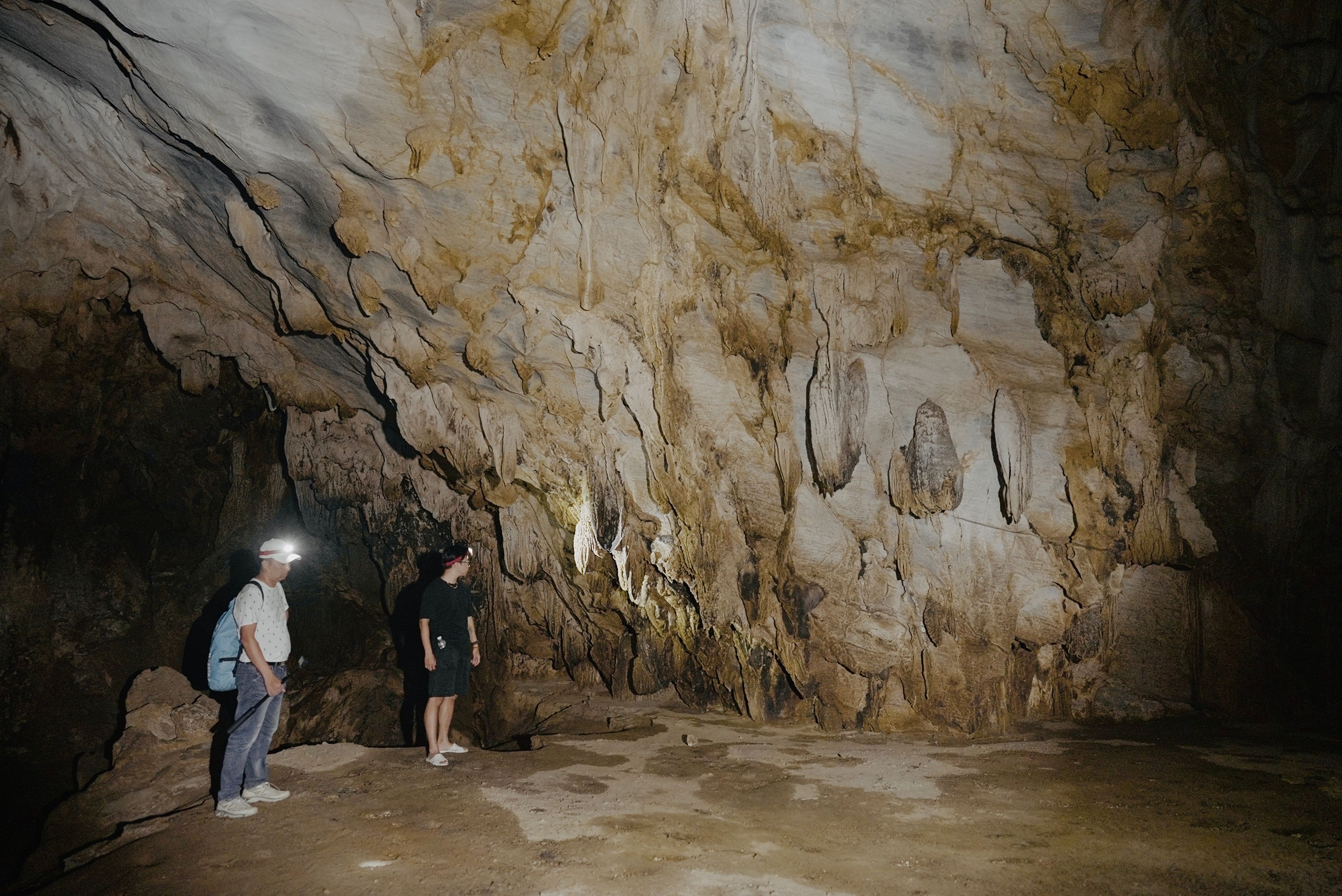
Hattiban, southwest of Kathmandu near Pharping, is a natural outdoor climbing area in pine forest with several established rock faces. Reaching it typically involves a drive followed by a hike, so trail terrain and weather become part of the day in a way they are not at an indoor gym.
Outdoor climbing at Hattiban should always involve a qualified guide, both for setting up ropes and for assessing which routes suit a beginner or child on the day, since not every route is appropriate for a young climber. Treat a Hattiban day as a bigger undertaking than an indoor session, requiring more planning, suitable footwear, and close supervision throughout.
Nagarjun Climbing and Bouldering
Nagarjun Forest Reserve, northwest of the city within the Shivapuri Nagarjun National Park area, is another established natural climbing area, known for its forested, peaceful setting and a mix of sport climbing and bouldering routes.
Bouldering involves climbing shorter rock sections without a rope, relying on crash pads and a spotter for the landing. For a child bouldering at Nagarjun, that means proper pad placement, suitable footwear, and a careful, adult-supervised assessment of the landing area before climbing begins. As with Hattiban, a Nagarjun outing should be organized with a qualified guide who chooses routes based on the day’s assessment.
Other Verified Family-Friendly Options
Beyond the two indoor gyms and two outdoor areas above, Kathmandu’s climbing scene includes a small number of additional gyms and training spaces around the valley. Availability and children’s offerings at smaller facilities can change, so families should verify current details directly before planning around any of them.
Facility Comparison
| Climbing Spot | Type | Best For | Beginner Friendly? | Kids Considerations |
| Kathmandu Sport Climbing Center | Indoor top-rope and bouldering | First-timers, families | Yes, top-rope wall suited to first-timers including children | Belayer-managed rope, one-to-one instruction available |
| Astrek Climbing Wall | Indoor lead, top-rope, bouldering | Beginners through experienced climbers | Yes, suitable for all skill levels | Confirm current age policy with the facility |
| Hattiban | Outdoor natural rock | Guided outdoor introduction | Only with qualified guide assessment | Forest hike, weather-dependent, route suitability assessed on site |
| Nagarjun | Outdoor bouldering and climbing, forest setting | Guided outdoor bouldering | Only with qualified guide assessment | Crash pads, spotting, careful landing-area assessment |
Best Option for First-Time Families
For most families trying climbing together for the first time, an indoor gym is generally the more practical starting point, offering a controlled environment, direct instructor support, beginner-set routes, easy access, and no dependence on weather.
This does not mean indoor climbing is without risk. Falls, strain, and equipment misuse can still occur indoors, and children should always be supervised and belayed or spotted appropriately. Indoor climbing simply removes variables, weather, terrain, and remote access, that make outdoor climbing a bigger undertaking for a first attempt.
Indoor vs Outdoor Climbing for Families
| Indoor | Outdoor |
| Controlled environment | Natural environment |
| Easier for first-timers | Requires additional preparation |
| Weather independent | Weather dependent |
| Instructor support may be available | Qualified supervision is especially important |
| Easier access | May require hiking or approach |
What Age Can Kids Start Climbing?
There is no single universal starting age for climbing. Kathmandu Sport Climbing Center describes its top-rope wall as suitable for ages five through sixty, a useful reference point, but age suitability more broadly depends on:
- The child’s physical development, coordination, and confidence with height
- The child’s ability to follow instructions from a belayer or instructor
- The specific facility’s age policy and an instructor’s assessment on the day
Families should confirm the current age policy with whichever facility they visit, since policies differ between gyms and between indoor and outdoor activities.
Safety Rules for Children
Climbing carries inherent risks that no equipment or facility can fully eliminate. Keep the following in mind regardless of which spot you choose:
- Supervise children with a responsible adult at all times
- Use qualified instructors for any beginner, indoor or outdoor
- Use properly fitted equipment for the child’s size
- Never allow children to climb unsupervised outdoors
- Check weather before any outdoor session and avoid wet or unstable rock
- Stay within the child’s demonstrated ability
- Stop when a child becomes tired, frightened, or uncomfortable
Equipment for Kids
| Equipment | Purpose | Kids’ Advice |
| Climbing shoes | Grip and foot placement | Correct, comfortable fit |
| Harness | Secure connection to the rope | Must fit properly, checked before every climb |
| Helmet | Head protection outdoors | Use a helmet made for climbing |
| Rope | Fall protection | Certified rope, trained belayer |
| Chalk | Grip management | Use as appropriate |
| Crash pad | Bouldering fall protection | Required for outdoor bouldering |
| Water | Hydration | Enough for the session |
Some facilities may rent children’s equipment, but availability and sizing can vary, so confirm in advance.
What Parents Should Know
Indoor sessions are generally shorter, easier commitments than outdoor days, which suits a younger child’s attention span. Outdoor sessions involve travel, a hike, and more variables outside anyone’s control, so they tend to suit slightly older or more experienced young climbers. A child’s own enthusiasm on the day, not a fixed plan, should guide how far a session goes.
Best Season for Outdoor Family Climbing
Season matters more for outdoor climbing at Hattiban and Nagarjun than for the indoor gyms, which operate year-round regardless of weather.
- Spring: generally favorable, though check local weather on the day
- Monsoon: rain can make rock slippery and approaches muddy, so indoor climbing is often more practical
- Autumn: often favorable due to drier conditions
- Winter: outdoor climbing can still work in sun-exposed spots, though shaded areas like Nagarjun may be cold
Conditions are not identical across every climbing area, so check current conditions for your specific destination rather than assuming a general rule applies everywhere.
What Parents Should Pack
- Water
- Comfortable clothing suited to movement
- A light jacket and sunscreen
- A hat and snacks
- A small first-aid kit and personal medication, if needed
- A phone and power bank
- A rain layer, when appropriate for the season
A day bag with the essentials above is generally enough for either an indoor session or an outdoor day trip.
How to Choose a Family-Friendly Climbing Center
- Confirm the facility’s stated children’s age policy
- Confirm that qualified instructors are present
- Ask whether beginner-specific lessons are offered
- Look for properly maintained equipment and clearly set routes
- Ask about the facility’s safety procedures and orientation process
- Confirm current operating hours before visiting
Common Mistakes
- Choosing a difficult outdoor route too early
- Ignoring a facility’s stated age restrictions or policies
- Using poorly fitted shoes, harnesses, or helmets
- Skipping the safety briefing before climbing begins
- Assuming bouldering is risk-free simply because there is no rope
- Climbing outdoors in wet or unstable conditions
- Leaving children unsupervised at any point, indoors or outdoors
Responsible Climbing
Families climbing outdoors at Hattiban or Nagarjun should keep a few habits in mind:
- Respect local communities and any staff or attendants at the site
- Avoid leaving litter behind
- Protect surrounding vegetation and wildlife
- Follow any posted crag or reserve rules
- Stay on established paths rather than cutting new trails
- Keep noise levels reasonably low out of respect for other visitors
Frequently Asked Questions
Is rock climbing suitable for kids in Kathmandu?
Many children enjoy it, though suitability depends on the child’s development and confidence.
What is the best climbing gym for children in Kathmandu?
Kathmandu Sport Climbing Center’s top-rope wall suits first-timers including children. Astrek Climbing Wall is the other established indoor option.
Where can beginners learn rock climbing in Kathmandu?
At Kathmandu Sport Climbing Center or Astrek Climbing Wall, both offering instruction and equipment rental.
Is indoor climbing safer for kids than outdoor climbing?
It has fewer weather and terrain variables, but still carries inherent risk and needs proper supervision.
What age can children start climbing?
There is no universal age. Kathmandu Sport Climbing Center lists its top-rope wall for ages five through sixty, but readiness depends on the child.
Do climbing gyms provide children’s equipment?
Rental is available, but sizing for children should be confirmed with the facility.
Is Hattiban suitable for family climbing?
Yes, with a qualified guide, though not every route suits a young or first-time climber.
Can families go bouldering in Nagarjun?
Yes, but it requires crash pads, careful spotting, and a guide’s landing-area assessment.
What should parents bring for a climbing session?
Water, comfortable clothing, sun protection, snacks, and a small first-aid kit.
What is the best season for family outdoor climbing?
Spring and autumn are generally more favorable than monsoon or winter.
Conclusion
Kathmandu offers a rare combination for families interested in climbing: two established indoor gyms that welcome first-timers and children, plus two natural climbing areas within a short drive for a guided outdoor day. Kathmandu Sport Climbing Center and Astrek Climbing Wall are the most practical starting points, while Hattiban and Nagarjun offer a natural next step once a family is ready for a guided outdoor experience.
Whichever spot you choose, confirm current facility policies before visiting, use qualified instructors, fit equipment properly, respect the child’s comfort level, and treat every climb as an activity that deserves careful supervision rather than an assumption of complete safety.


'/></svg>)