

Nepal is a country defined by its mountains, but scattered across its landscape, from steaming Terai wetlands to glacial basins above 5,000 metres, are hundreds of lakes that rarely get the same attention. Some are vast and easily reached by road, others require a week of high-altitude trekking to glimpse, and several are considered so sacred that pilgrims travel for days just to bathe in their water once a year.
This guide ranks Nepal’s most significant lakes by the numbers, size, depth, altitude and origin, and is built to serve as the single reference point for anyone wanting hard figures on the country’s most important bodies of water.
This guide covers Nepal’s largest, deepest and highest lakes, its major Ramsar wetland sites, and the basic facts that distinguish one lake from another across the country.
Table of Contents
1. Rara Lake: The Largest and Deepest
2. Tilicho Lake: Among the World’s Highest
3. Phewa Lake: The Most Visited
4. Shey Phoksundo Lake: Nepal’s Turquoise Jewel
5. Gosaikunda: The Sacred Alpine Lake
6. Gokyo Lakes: The Highest Freshwater System
7. Ghodaghodi and Nepal’s Ramsar Wetlands
8. Pokhara’s Lake Cluster
9. Common Misunderstandings About Nepal’s Lakes
10. Conclusion
1. Rara Lake: The Largest and Deepest
Rara Lake in the far-western Mugu district holds two national records at once: it is both Nepal’s largest lake by surface area, spanning roughly 10.8 square kilometres, and its deepest, reaching down 167 metres. Sitting at 2,990 metres inside Rara National Park, the country’s smallest protected area, the lake’s remoteness has kept it far less visited than its size and depth would otherwise suggest.
2. Tilicho Lake: Among the World’s Highest
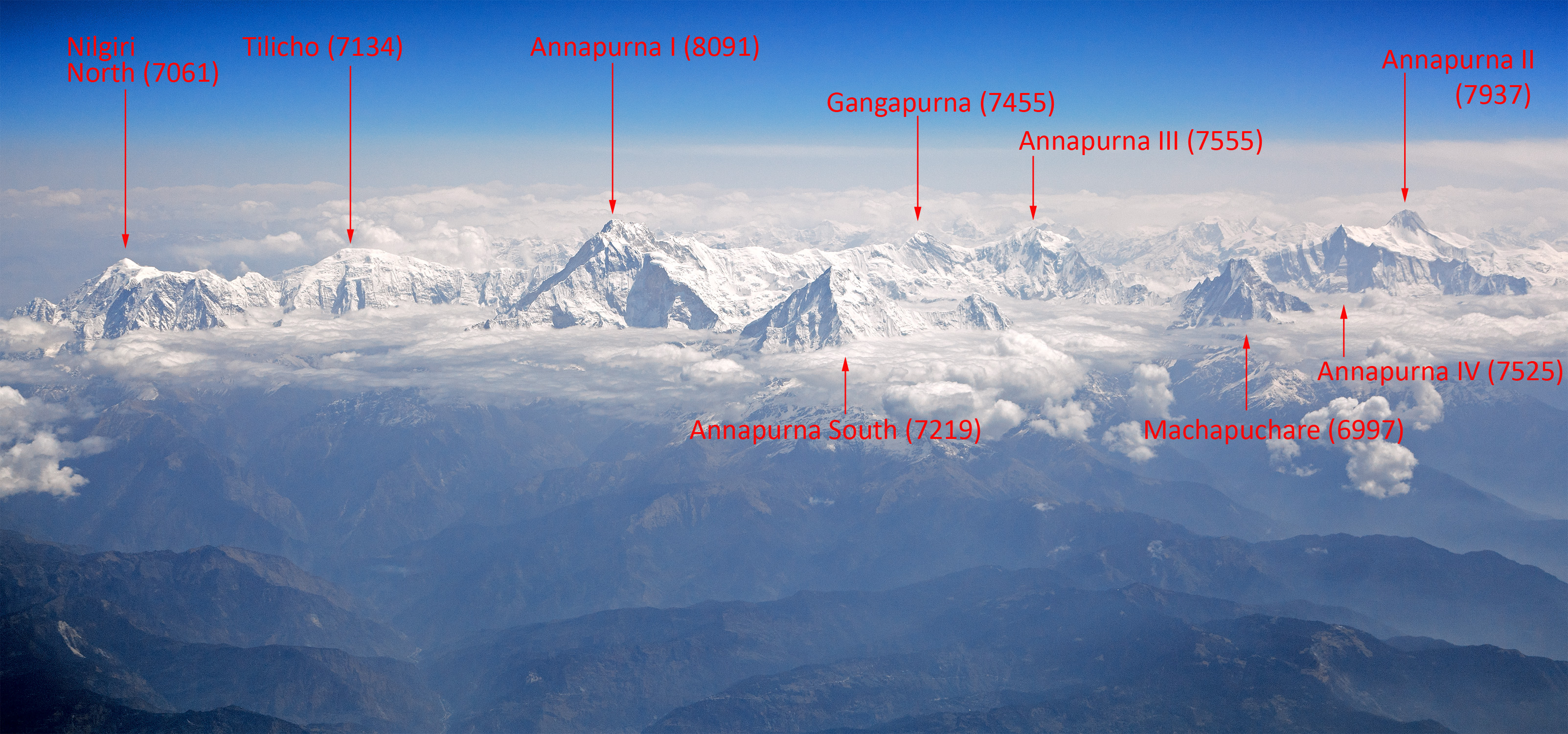
Tilicho Lake, reached as a side trip from the Annapurna Circuit, sits at approximately 4,919 metres, making it one of the highest lakes of its size anywhere on earth. Covering close to 4.8 square kilometres with an average depth of around 85 metres, Tilicho draws both trekkers and Hindu pilgrims, who regard it as the Kag Bhusundi lake described in the Ramayana.
3. Phewa Lake: The Most Visited
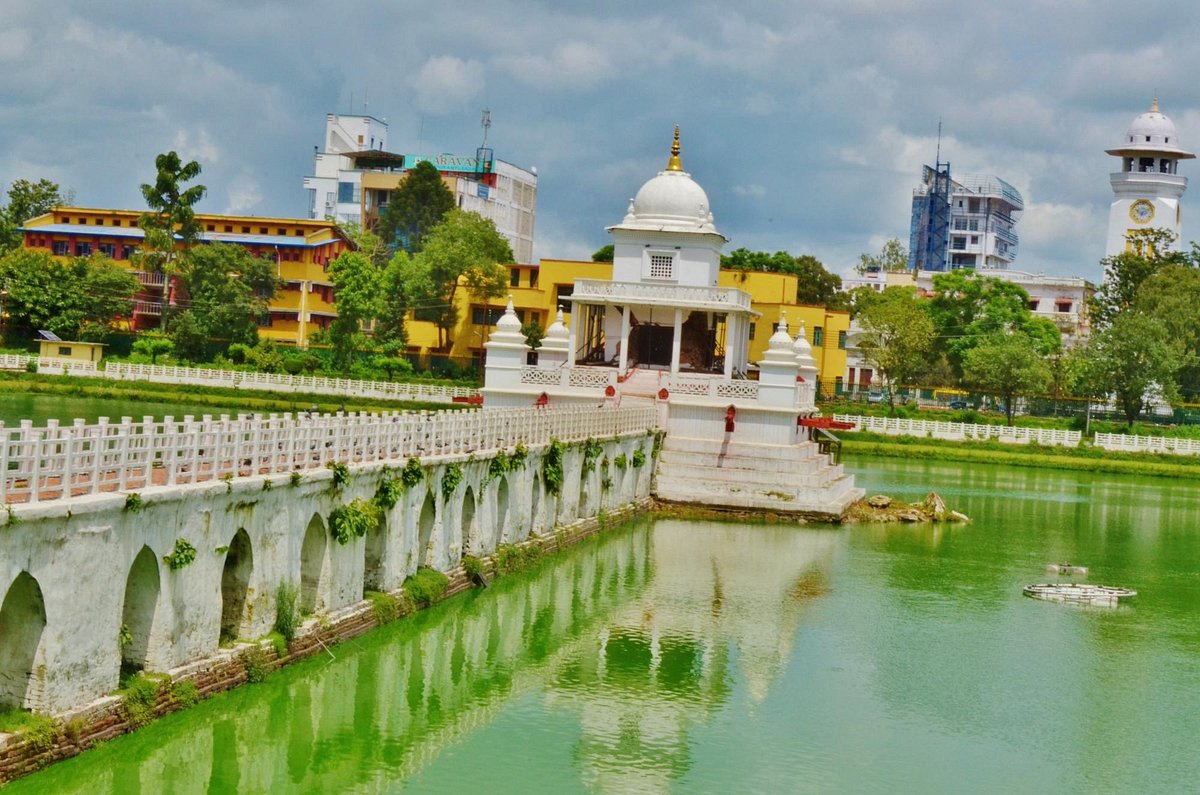
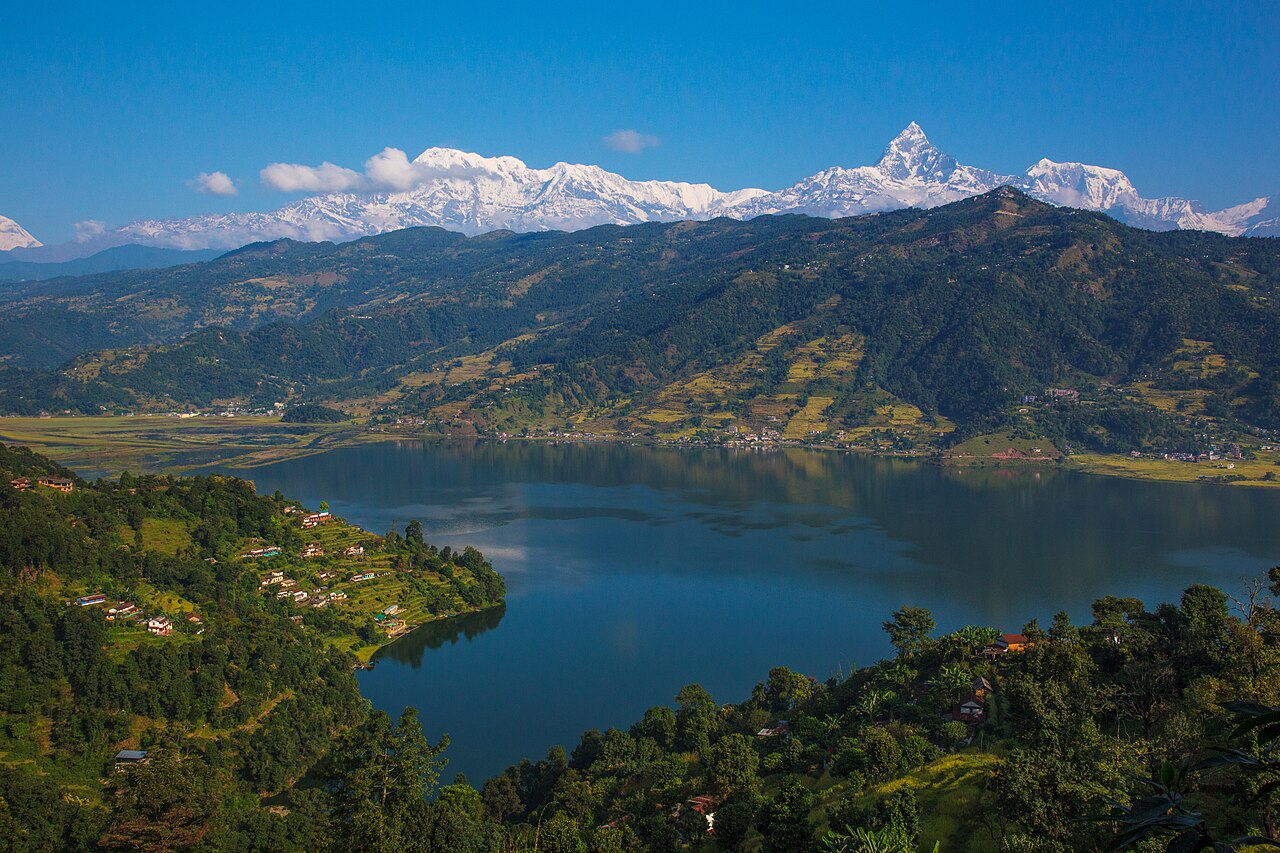
Phewa Lake in Pokhara is Nepal’s second-largest lake by area at roughly 4.43 square kilometres, and by a wide margin its most visited, anchoring the tourism economy of the entire Pokhara valley. Sitting at a comfortable 742 metres, far lower than Nepal’s high-altitude lakes, Phewa is reachable by road year-round and is best known for the Tal Barahi temple standing on a small island near its centre.
4. Shey Phoksundo Lake: Nepal’s Turquoise Jewel
Phoksundo Lake in remote Dolpo is Nepal’s second-deepest lake, reaching roughly 145 metres, and among its largest at close to 4.95 square kilometres, sitting at 3,611 metres inside Shey Phoksundo National Park, the country’s largest protected area. Its striking turquoise colour comes from a near-total absence of aquatic life combined with a high mineral content in the surrounding rock.
5. Gosaikunda: The Sacred Alpine Lake
Gosaikunda sits at 4,380 metres inside Langtang National Park, a comparatively modest 13.8 hectares in size but outsized in religious significance as the lake Hindus believe Lord Shiva created with his trident. Frozen for roughly six months of the year, Gosaikunda draws over 10,000 pilgrims annually during the August full moon festival of Janai Purnima.
6. Gokyo Lakes: The Highest Freshwater System
The six Gokyo Lakes in the Everest region, ranging between 4,700 and 5,000 metres, together form what is often described as the highest freshwater lake system in the world. Designated a Ramsar wetland covering 7,770 hectares in 2007, the lakes sit beside the Ngozumpa Glacier, Nepal’s longest, and are best known as a side trip from the Everest Base Camp and Three Passes trekking routes.
7. Ghodaghodi and Nepal’s Ramsar Wetlands
Beyond its high-altitude lakes, Nepal protects several lowland wetland systems as Ramsar sites of international importance, including the Ghodaghodi Lake Complex in Kailali, a network of roughly 13 oxbow lakes covering over 2,500 hectares that shelters mugger crocodiles and more than 300 recorded bird species. Nepal currently has ten Ramsar-designated wetlands nationwide, spanning both its lowland and high-altitude lake systems.
8. Pokhara’s Lake Cluster
Pokhara’s valley holds a formally recognised Lake Cluster of nine interconnected lakes, Phewa, Begnas, Rupa and six smaller water bodies, designated a single Ramsar site in 2016. Begnas and Rupa, the two largest after Phewa, remain comparatively undeveloped, offering quieter alternatives within the same valley that draws over a million visitors to Phewa’s shores each year.
9. Common Misunderstandings About Nepal’s Lakes
Assuming Nepal’s lakes are mostly a single type of destination: the country’s lakes range from sea-level-adjacent Terai wetlands to glacial basins above 5,000 metres, representing entirely different ecosystems, access requirements and travel seasons.
Assuming Rara Lake and Phoksundo Lake are interchangeable as “Nepal’s deepest lake”: Rara holds the national depth record at 167 metres, with Phoksundo the runner-up at roughly 145 metres, a distinction sources sometimes blur.
Assuming Tilicho Lake is definitively the highest lake in the world: it is one of the highest lakes of its size, but several smaller, higher-altitude bodies of water, including one discovered near Chame in 2019, exceed its elevation.
Assuming all of Nepal’s lakes are equally accessible: Phewa Lake sits beside a paved road in a major tourist city, while lakes like Gosaikunda, Tilicho and Phoksundo require multi-day treks at high altitude to reach.
10. Conclusion
Nepal’s lakes rarely receive the same attention as its mountains, yet collectively they represent an equally striking range of extremes: the largest and deepest at Rara, the most sacred at Gosaikunda, the highest system at Gokyo, and the most ecologically important lowland wetlands at sites like Ghodaghodi.
Whichever lake draws a visitor to Nepal, this guide is the starting point for understanding exactly what makes it distinct, and what kind of journey it takes to reach it.


'/></svg>)