

Introduction
Fourteen kilometers southeast of Kathmandu, past the ring road traffic and into the cool, misty foothills of Lalitpur district, sits Godavari: a village best known for its national botanical garden, its birdwatchers, and the long forest trail leading up Phulchowki, the highest hill ringing the Kathmandu Valley. It’s a quiet, green counterpoint to the city, and for a climber scanning the wooded slopes for boulders and outcrops, it’s easy to start imagining a bouldering trip.
This guide takes that idea seriously, and treats it honestly. Godavari is well documented as a botanical, birdwatching, and hiking destination. It is not documented as an established bouldering area, and no reliable source currently confirms named problems, developed grades, or an active outdoor climbing scene specific to Godavari. Rather than inventing routes or difficulty levels that don’t appear anywhere in the record, this article separates what’s genuinely known about the area’s terrain, seasons, and access from what remains unverified, so you can plan a realistic, safe, and low-impact trip, whether that trip centers on forest hiking with an eye for rock, or a side visit alongside a confirmed climbing day elsewhere in the valley.
Godavari Location and Accessibility
Godavari sits roughly 14 kilometers southeast of central Kathmandu, at the southern edge of the valley in Lalitpur district, about 11 kilometers from Lagankhel. It lies at an elevation of around 1,500 meters, at the base of Phulchowki, the valley’s highest hill at roughly 2,782 meters.
Getting there:
- Private car or taxi from Kathmandu or Lalitpur, typically 40 to 45 minutes.
- Local bus or shared transport toward Godavari, followed by a short walk to the botanical garden entrance.
- Guided day-tour vehicles, commonly arranged through Kathmandu-based trekking and tour operators.
Once you arrive:
- The Godavari National Botanical Garden is the area’s main developed attraction, with marked paths, thematic gardens, and an entry fee.
- Forest trails lead from Godavari up toward Phulchowki, typically taking three and a half to seven hours round trip depending on pace, route, and how much time you spend at the summit.
- A shorter, roughly 30-minute walk from the Godavari bus park leads to Godavari Marble Danda, a viewpoint noted in some travel guides for its rock and clear-weather views, though it is described as a scenic lookout rather than a documented climbing site.
Is There an Established Bouldering Scene in Godavari?
Direct answer: no widely documented bouldering area currently exists at Godavari. Every reliable source available describes Godavari primarily through its botanical garden, birdwatching, and the Phulchowki hiking trail. None of them mention developed boulder problems, established grades, marked climbing zones, or an active local bouldering community specific to Godavari.
That’s a meaningful gap, not a technicality. Kathmandu Valley does have real, documented outdoor climbing areas, just not at Godavari. Confirmed sites include:
- Nagarjun, inside Shivapuri Nagarjun National Park, close to Thamel, with a documented set of bolted sport routes and boulder problems.
- Hattiban, near Pharping, known for limestone cliffs and technical routes for more experienced climbers.
- Kakani, northwest of Kathmandu, with granite cliffs and separate bouldering sections alongside sport routes.
Godavari’s forested slopes almost certainly contain exposed rock and boulders in places, that’s typical of this kind of subtropical hill terrain, but exposed rock is not the same thing as a developed climbing area. Assume, until you verify otherwise on the ground, that any rock you encounter at Godavari is unbrushed, ungraded, and unclimbed by any documented local community.
The Botanical and Forest Environment
What makes Godavari worth visiting, climbing potential aside, is its setting:
- The Godavari National Botanical Garden, founded in 1962, covers roughly 82 hectares and holds an extensive collection of native and ornamental plants, including rock-garden plantings, orchids, ferns, and medicinal species.
- Dense subtropical forest covers the lower slopes, transitioning to temperate forest with elevation gain toward Phulchowki.
- The area is well known among birdwatchers, with a wide range of species recorded on the garden grounds and the lower hill trails.
- Rhododendron blooms in spring add color to the forest, particularly on the Phulchowki approach.
- The overall feel is quiet and green, a deliberate contrast to Kathmandu’s density and traffic.
Rock Types and Climbing Conditions: What’s Verified
Specific, verified information about rock type, texture, and quality at Godavari is limited. What can be said with reasonable confidence, based on the region’s general geology and terrain descriptions:
- The Godavari Botanical Garden itself includes a constructed “rock garden” as one of its thematic plantings, a landscaped feature, not a natural climbing formation.
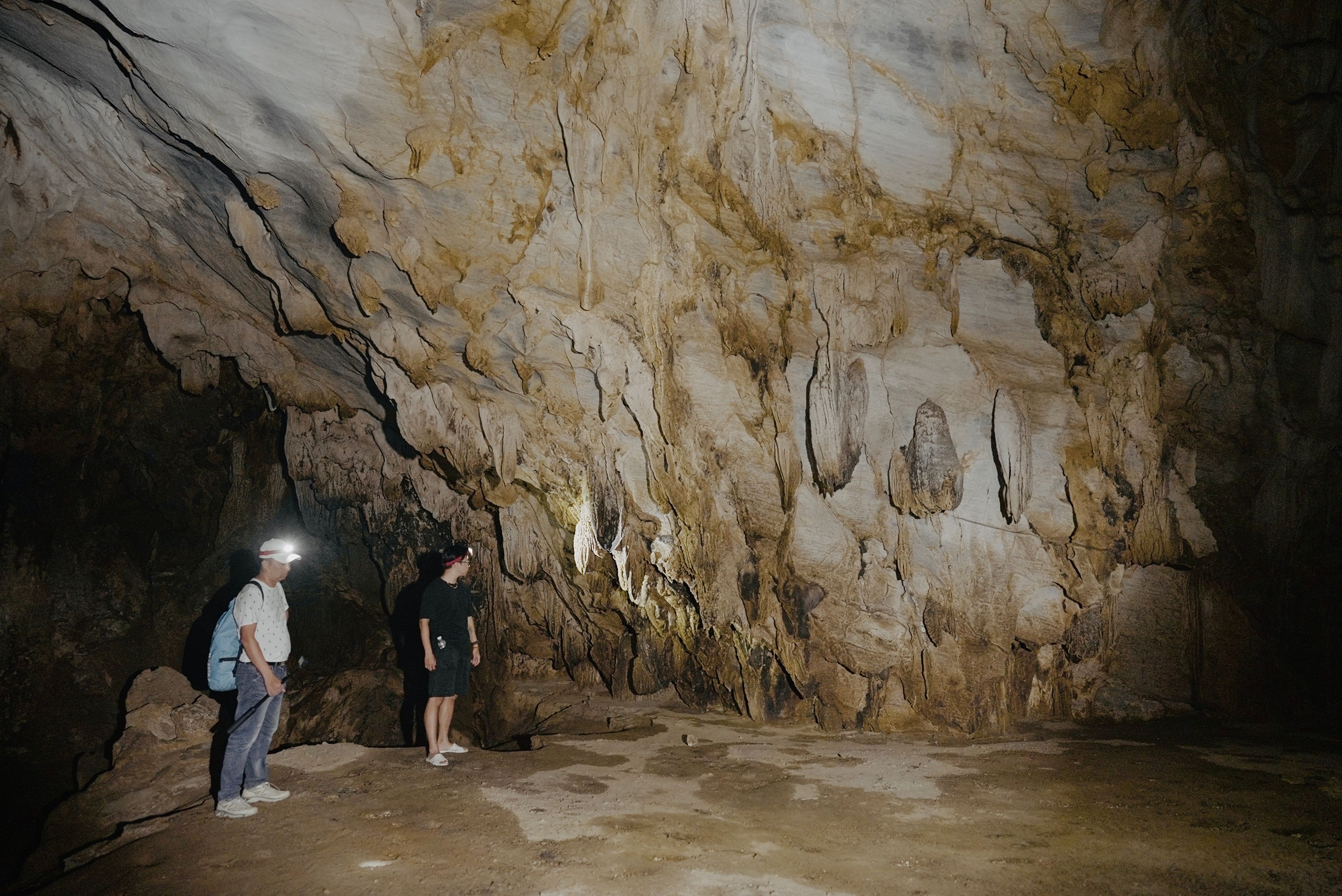
- Godavari Marble Danda, a short walk from the bus park, is named for marble-bearing rock in the area, suggesting exposed stone outcrops exist nearby, though it is documented as a viewpoint rather than a climbing site.
- Forest trails toward Phulchowki pass through terrain with roots, uneven ground, and likely rocky sections typical of subtropical hill hiking, without any documented mention of climbable rock faces or boulder fields along the way.
What this means for a climber: treat rock quality, friction, and cleanliness as complete unknowns until you inspect them yourself. Forested, humid environments like this commonly produce moss, lichen, and damp rock, especially in shaded areas, all of which affect both safety and how “climbable” a boulder actually is.
Known Areas, Problems, and Grades: What’s Confirmed vs. Unknown
| Detail | Status at Godavari |
| Named bouldering areas | Not documented |
| Established problems or routes | Not documented |
| Climbing grades | Not documented, do not assume any grading system applies |
| Bolted anchors or fixed protection | Not documented, assume none exist |
| Local climbing community or guides | Not documented specifically for Godavari |
| Marble Danda as a climbing site | Documented as a scenic viewpoint, not a climbing destination |
| Botanical garden “rock garden” | A landscaped plant display, not natural climbing rock |
For comparison, Kathmandu Valley’s confirmed outdoor areas do have documented details: Nagarjun is commonly cited with a range of bolted routes across a range of grades, and Hattiban is described as offering more technical limestone climbing for experienced climbers. If you need that level of certainty, one of those sites, or an indoor gym, is the more reliable choice for your main climbing day.
Beginner vs. Experienced Climber Suitability
Because Godavari isn’t a graded, developed area, think of suitability in terms of who should treat it as exploratory terrain versus who should stick to confirmed sites.
More suited to exploring Godavari’s forest terrain with a boulderer’s eye:
- Experienced climbers comfortable evaluating unfamiliar rock, holds, and landings without any beta.
- Climbers traveling with a partner or small group who can spot and assist each other.
- Those who see the value in scouting new terrain respectfully, even if no climbing happens that day.
Better served by skipping Godavari as a climbing objective:
- Beginners who need graded problems and predictable landings to build confidence safely.
- Solo travelers without a spotter or partner.
- Anyone with limited time who wants a guaranteed bouldering session rather than an exploratory hike.
Beginners drawn to Godavari should feel free to enjoy the botanical garden and forest trails fully, then get an actual bouldering session at a Kathmandu indoor gym or a confirmed outdoor site with an instructor.
Required Equipment for Bouldering
Standard outdoor bouldering gear applies whether you’re at a confirmed crag or scouting Godavari’s forest:
- Climbing shoes, snug and precise, for friction on small or uncertain holds.
- Chalk and a chalk bag, particularly useful given the area’s humid, forested climate.
- At least one crash pad, ideally two with overlapping placement for uneven forest ground.
- A stiff brush, likely necessary here more than at developed areas, since any rock is probably unbrushed and may carry moss, dirt, or lichen.
- A dedicated spotter, not optional on unfamiliar terrain.
- Sturdy hiking or approach shoes for the trail portion, separate from your climbing shoes.
- Layered clothing, since forest shade and elevation gain toward Phulchowki bring noticeably cooler, damper conditions than the valley floor.
- Water, snacks, and a basic first-aid kit, since food and drink facilities are limited once you’re on the trail.
- Offline map or GPS, given inconsistent signal in forested terrain.
Safety and Fall-Protection Guidelines
- Never climb alone. This applies everywhere, but especially on unverified, forested terrain with no documented rescue infrastructure.
- Test every hold before weighting it. Undocumented rock in a humid forest environment is a strong candidate for loose, damp, or lichen-covered surfaces.
- Clear and inspect landing zones carefully. Forest floors hide roots, uneven ground, and loose stones under leaf litter, all of which can turn a short fall into a real injury.
- Keep problems low and conservative. With no known grades, beta, or established fall lines, this is not the place to push toward your limit.
- Carry a first-aid kit and know basic wilderness first aid, since help may be far away.
- Tell someone your route and return time before heading off marked trails.
- Respect protected-area boundaries. Parts of the Godavari and Phulchowki area fall within conservation-focused zones; follow posted signage and any guidance from garden or forest staff.
- Turn back when conditions are marginal. Wet rock, fading light, or genuinely unstable terrain are all valid reasons to stop and reassess.
Best Seasons for Bouldering Near Godavari
Seasonal guidance for Godavari and Phulchowki hiking is well documented, and the same patterns are useful for planning any climbing scouting trip:
- Autumn (roughly October–November): Widely cited as the best season, with clear skies, drier trails, and strong Himalayan visibility from Phulchowki’s summit.
- Spring (roughly March–April): Also favorable, and notable for rhododendron blooms and active birdlife, though some haze can reduce distant mountain views.
- Winter (December–February): Generally clear and cool, with occasional snow at higher elevations near Phulchowki’s summit; useful for dry rock but expect cold temperatures.
- Monsoon (roughly June–September): Multiple sources explicitly describe this as the least favorable period, with poor visibility and wet trail conditions. For a bouldering trip specifically, wet, moss-prone rock during monsoon months makes this a season to avoid.
Weather and Wet-Rock Considerations
- Humidity and shade: Godavari’s subtropical forest holds moisture well, increasing the likelihood of damp or mossy rock even outside the rainiest months.
- Elevation and temperature swings: Conditions cool noticeably as trails climb toward Phulchowki; pack layers even on a warm valley-floor morning.
- Rain and trail conditions: Multiple hiking guides recommend carrying rain protection and warm layers even outside peak monsoon, since mountain weather here can change quickly.
- Rock friction: Cold, damp rock reduces shoe friction significantly; plan sessions for drier, sunnier windows where possible, and avoid climbing shaded rock shortly after rainfall.
- Limited facilities on trail: There is little to no food or water available once you leave Godavari’s immediate village area, so weather planning should factor into how far you commit to going.
How to Plan a Godavari Climbing Trip
- Set the right primary goal. Decide whether this is a botanical-garden-and-forest day with optional rock scouting, or whether guaranteed bouldering is the priority, in which case build your main climbing day around Nagarjun, Hattiban, or Kakani instead.
- Confirm current access details. Botanical garden hours, entry fees, and trail conditions can change; check with the garden or a reputable local operator shortly before your visit.
- Bring a partner, ideally one experienced with outdoor terrain assessment.
- Pack light but complete. One pad, shoes, chalk, a brush, and layers are enough for a scouting mission.
- Build in flexible time. Since developed rock may not materialize, structure the day so the garden, birdwatching, and forest hiking are worthwhile on their own.
- Keep a backup plan. Reserve time at an indoor gym or a documented outdoor site for guaranteed climbing during your broader Kathmandu Valley trip.
What to Bring
- Climbing shoes and chalk bag
- At least one crash pad
- A stiff brush for cleaning unbrushed rock
- Sturdy approach or hiking shoes
- Rain layer and warm mid-layer, even in dry season
- Water and packed snacks or lunch, since trailside facilities are limited
- Basic first-aid kit
- Offline map, GPS device, or downloaded trail map
- Cash for garden entry fees and local transport
- A fully charged phone and, ideally, a portable battery
Responsible Tourism and Leave No Trace
Godavari’s identity is built around conservation, a national botanical garden, protected forest, and a well-loved birdwatching habitat. Any climbing activity here needs to respect that.
- Pack out everything you bring in, including tape, food wrappers, and chalk residue where possible.
- Stay on marked trails when approaching, and avoid trampling understory vegetation to reach a boulder.
- Never remove, chip, or alter plant life or rock formations. The botanical garden in particular is a research and conservation space.
- Keep noise low in forest and garden areas that support significant bird activity.
- Follow posted rules and staff guidance at the botanical garden and any protected forest boundaries.
- Avoid excessive cleaning or brushing of moss and lichen beyond what’s genuinely needed to test a hold, don’t strip vegetation from rock for exploratory climbing.
- Support the local community respectfully, using local guides, transport, and food vendors where available.
Environmental Considerations in a Protected Botanical Area
- The Godavari National Botanical Garden operates as a conservation and research institution, not a general-purpose recreation ground, and has designated paths and entry procedures.
- Areas beyond the garden, including forest slopes toward Phulchowki, support diverse bird and plant life that draws visitors specifically for that reason.
- Because so little is documented about climbing-specific impact in this environment, the responsible default is to assume any rock contact, cleaning, or repeated traffic could affect surrounding vegetation and should be minimized.
- If in doubt about whether an area is open to off-trail exploration, ask garden or forest staff directly rather than assuming access.
Common Beginner Mistakes
- Assuming visible rock means a developed climbing site exists. Godavari’s terrain and Marble Danda viewpoint are not documented climbing destinations.
- Climbing alone on unverified forest terrain. Without a spotter, small mistakes escalate quickly.
- Skipping the hold-quality check. Damp, mossy rock in a humid forest is a real hazard if you don’t test before you commit.
- Underestimating temperature and rain changes on the way up toward Phulchowki.
- Leaving the crash pad behind because “it’s just a short walk.” Undeveloped forest landings are exactly where a pad matters most.
- Treating unknown rock as a place to push grade or difficulty. Without beta, conservative movement is the only responsible approach.
Expert and Beginner Tips
Expert tips:
- Approach any Godavari rock with a first-ascent mindset: assess conditions carefully, clean conservatively, and stay well within your margin, there’s no local beta or rescue infrastructure to lean on.
- Scout during clear, dry-season windows, ideally autumn, to reduce moisture-related unknowns.
- Document anything promising you find responsibly, photos, GPS coordinates, notes on rock quality, rather than publishing exaggerated claims online. This helps the small local climbing community verify new areas properly over time.
- Keep a documented outdoor site, such as Nagarjun or Hattiban, as your primary climbing day, and treat Godavari as a secondary, low-stakes scouting trip.
Beginner tips:
- Visit Godavari for the botanical garden, birdwatching, and Phulchowki hiking first, that experience stands on its own regardless of any climbing potential.
- If you want a real bouldering session, book time at a Kathmandu indoor climbing gym or join a guided outing to a confirmed outdoor area.
- Never attempt outdoor rock at Godavari without a more experienced partner present.
- Ask local guides or Kathmandu climbing gyms what they currently know about Godavari’s terrain; current, local knowledge always outweighs anything written online, including this guide.
Sample Day Itinerary
A realistic Godavari day for a curious climber:
- 6:30 AM: Depart Kathmandu or Lalitpur by taxi or private vehicle toward Godavari.
- 7:15 AM: Arrive at Godavari; confirm current botanical garden hours and entry fees.
- 7:30 AM – 9:00 AM: Walk the Godavari National Botanical Garden, taking in the thematic gardens, birdlife, and rock-garden plantings.
- 9:00 AM: Begin the forest trail toward Phulchowki, or, alternatively, take the shorter walk to Godavari Marble Danda for a quicker rocky viewpoint.
- 9:30 AM – 12:30 PM: Hike gradually uphill through subtropical forest, keeping an eye out for exposed rock or boulders worth a closer, cautious look. If anything promising appears, assess it with a partner, place a pad, and attempt only low, conservative movement. If nothing suitable turns up, treat this block as forest hiking and birdwatching time.
- 12:30 PM: Rest and eat a packed lunch on the trail, since facilities are limited past the village.
- 1:00 PM – 3:30 PM: Continue to the summit if energy and weather allow, or turn back earlier for a shorter day; enjoy valley and Himalayan views where visibility permits.
- 3:30 PM – 5:00 PM: Hike back down to Godavari.
- 5:00 PM: Return to Kathmandu or Lalitpur.
- Evening (optional): Visit a Kathmandu indoor climbing gym for a guaranteed, graded bouldering session to round out the day.
FAQs
1. Is Godavari a confirmed bouldering destination near Kathmandu?
No. Available sources describe Godavari primarily as a botanical garden, birdwatching, and hiking destination. There is no widely documented, established bouldering area with named problems or grades at Godavari.
2. Are there boulders or rock formations at Godavari?
Likely, given the forested hill terrain and the nearby Godavari Marble Danda viewpoint, but none of this is documented as a developed climbing area. Treat any rock found there as unverified.
3. Where can I find confirmed outdoor bouldering near Kathmandu?
Nagarjun, inside Shivapuri Nagarjun National Park near Thamel, Hattiban near Pharping, and Kakani northwest of the city are documented outdoor climbing areas. Kathmandu also has indoor bouldering gyms for a reliable session regardless of weather or season.
4. What grades should I expect if I find rock at Godavari?
None are documented. Any rock you encounter should be treated as ungraded, and climbed conservatively without assuming a difficulty level.
5. Is Godavari suitable for beginner climbers?
For guaranteed, safe climbing, beginners are better served by an indoor gym or a documented outdoor area with an instructor. Godavari is currently better suited to garden visits and hiking, with any climbing treated as optional, experienced-led exploration.
6. What’s the best time of year to visit Godavari?
Autumn, roughly October to November, and spring, roughly March to April, are widely cited as the best seasons for clear weather, blooming rhododendrons, and active birdlife. The monsoon season, roughly June to September, is generally discouraged due to poor visibility and wet trails.
7. Do I need a permit or ticket to visit Godavari?
The botanical garden requires an entry fee, and details can change, so confirm current pricing and rules with the garden directly or a local operator before visiting. This article does not assume specific current fees or permit requirements.
8. Should I hire a guide for a Godavari climbing scouting trip?
Yes, particularly if you plan to leave marked trails. A local guide brings safety, current terrain knowledge, and awareness of protected-area rules that generic online research can’t fully replace.
Conclusion
Godavari earns its reputation the honest way: a botanical garden worth wandering slowly, a forest trail rich with birdlife, and a long, rewarding hike up Phulchowki for those with the time and legs for it. What it doesn’t currently offer, based on everything verifiable, is a documented bouldering scene with known problems and grades. That’s not a reason to leave your shoes at home; it’s a reason to go with realistic expectations, treating any rock you find as unconfirmed terrain worth exploring carefully, respectfully, and conservatively.
If your Kathmandu Valley trip needs guaranteed bouldering, pair a Godavari day with a visit to Nagarjun, Hattiban, Kakani, or a local indoor gym. If you’re drawn to quietly scouting unmapped forest terrain with proper gear, a partner, and genuine respect for a protected landscape, Godavari might reward that curiosity too.


'/></svg>)